
By Jill Ferguson
Communities and Wildlife Officer
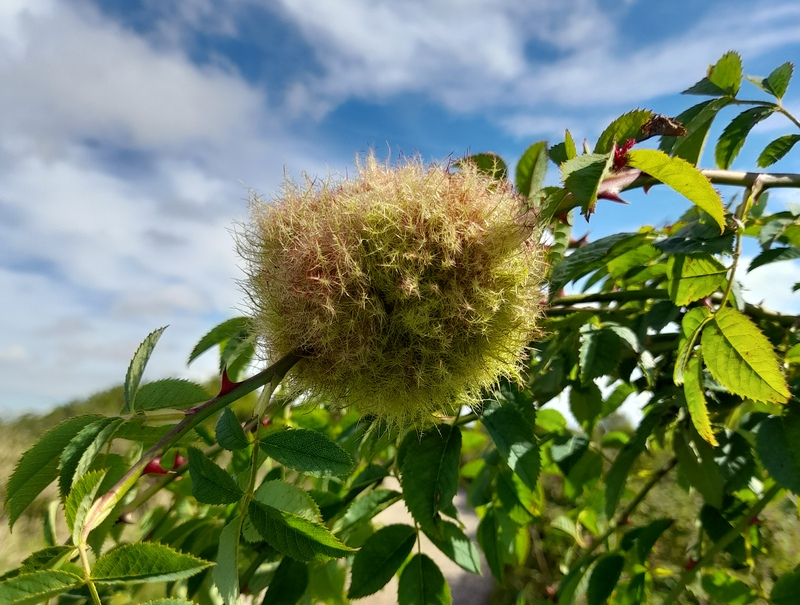
Wildlife Rangers stumbled across this fine example of a Bedeguar Gall while surveying ladybirds last month.
More commonly known as the Robin’s Pincushion, it’s a hard, woody growth with a red-tinged fibrous outer layer, usually found on the stems of Dog-roses in late summer. The gall is caused by the larvae of Dipoloepis rosae, a tiny gall wasp. Once a female has laid her eggs, the larvae hatch and secrete chemicals that cause the rose stem to swell and develop into the hairy looking gall. Inside the gall there are a number of chambers in which each grub develops. The insects then spend the winter inside the gall as pupae and emerge in the spring as adults.
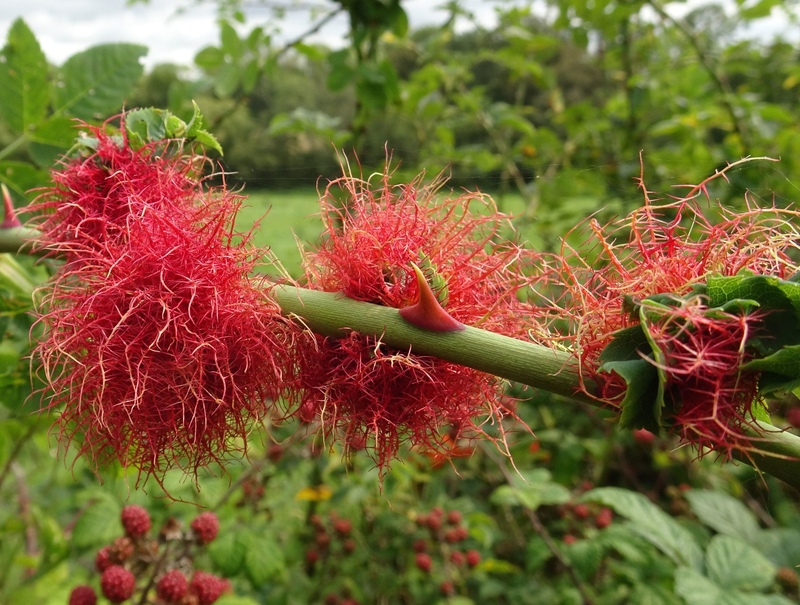
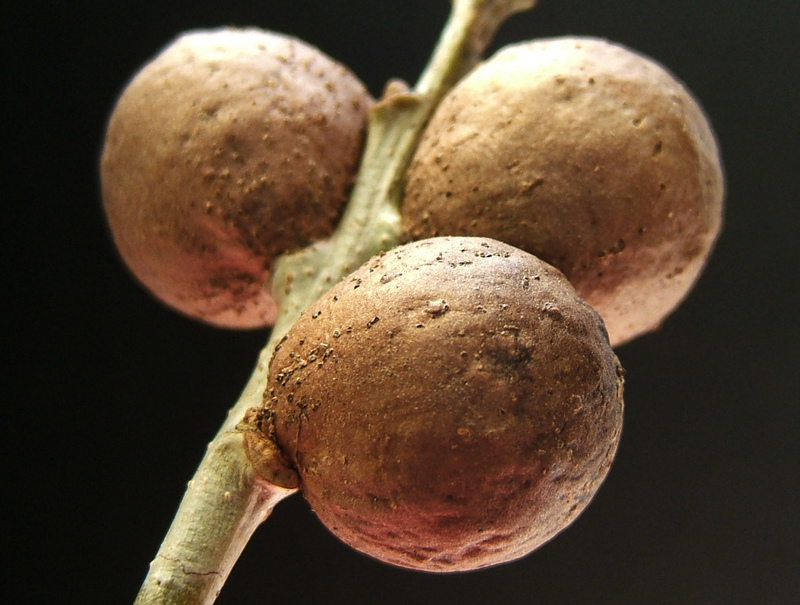
There are more than 900 types of plant galls in the UK caused by invertebrate species such as wasps, mites, beetles, flies, sawflies and plant sucking bugs, with more than 30 types found on oak trees alone. Generally, the galls do not have any adverse effect on their hosts. Want to find out more? A guide to some of the most common galls can be found here Gall spotter 2020.pdf (suffolkwildlifetrust.org) and there’s even a national society devoted to them British Plant Gall Society
This post is also available on Sussex Wildlife Trust website

