
By Dav Bridger
Discover Rye Harbour Heritage Trainee
On a Friday in early August, the summer rains parted, and the winds slowed, giving us just the right opportunity to venture out with the participants of our John Muir Holiday Scheme for young people (participants are between the ages of 10-16, the Award involves five days of practical conservation tasks, games and creative activities. Those who complete the programme gain a John Muir Discovery Conservation Award).
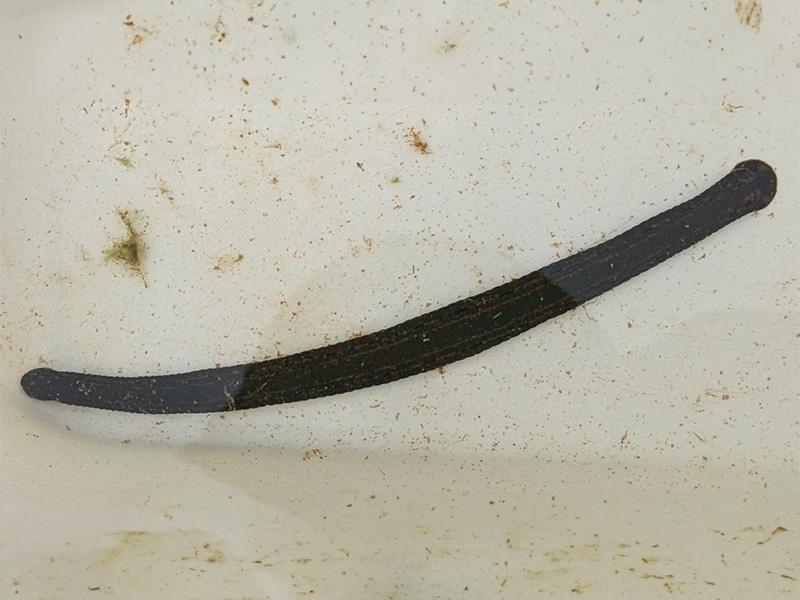
We headed to Castle Water to explore the freshwater channels and reedbeds in the hope of spotting an elusive animal. It has scattered populations across Britain and is declared extinct in Ireland – introducing the Medicinal Leech.
If you take a look at it (main image) - you can see the small anterior sucker where its head is, and the larger posterior sucker which is used for adhesion and leverage. They are patterned with red and yellow stripes along their dorsal side.
A member of the segmented worm family, leeches are closely related to the earthworms you can find in your garden, both having muscular, segmented bodies that can lengthen and contract. The ‘medicinal’ part of their name comes from them being used as blood-letters to treat disease in the Middle Ages. Indeed, the Mediterranean Medicinal Leech is still used within the NHS to this day.
There are 37 species of leech in the UK, including 17 freshwater leeches. The Medicinal Leech is the largest of them, with adults growing to up to 20cm. Despite their reputation as blood-feeders or ‘sanguivores’ with an insatiable appetite, they don’t tend to feed on mammals. Instead, they feed on a range of prey as they grow and change throughout their life cycle, including amphibians, fish, birds and mammals – and on at least two occasions, members of Sussex Wildlife Trust staff! As adults, their appetite wanes and they may not need to feed again for 12 to 18 months.
As for our excursion to Castle Water, the John Muir participants were quick to get stuck in and found six medicinal leeches before it was even time for lunch. These were a wonderful and reassuring find, as they are the first to be seen on the nature reserve this year. Knowing they are still thriving here is crucial for the national records and conservation of this protected species. It’s also a real testament to the land management efforts as they are quite picky when it comes to finding their ideal habitat. Nothing too deep, cold or overgrown but still with enough vegetation to make cocoons to hide their eggs in shaded spots, near to, but not submerged in the water. Now there's a checklist.
Here are some of the other interesting discoveries from our day:
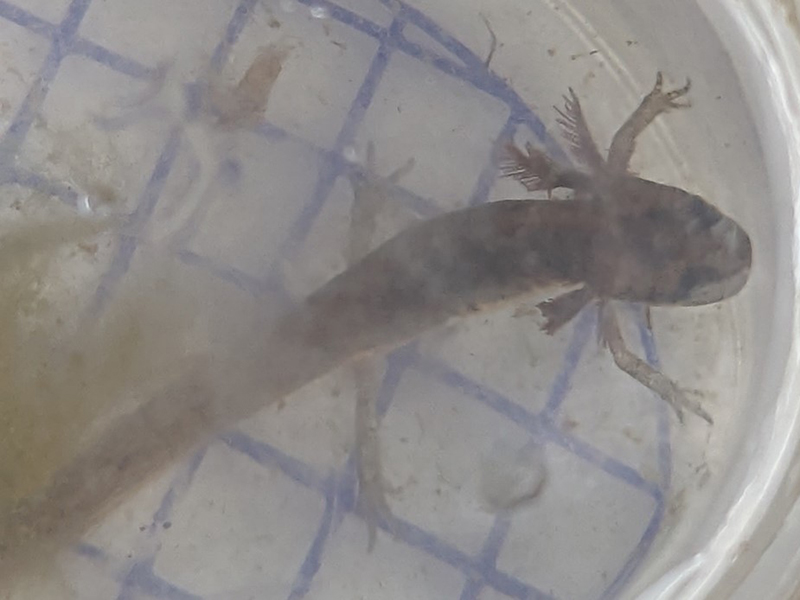
Above - this is a Smooth Newt juvenile or 'eft', displaying its feathery gills. Smooth Newt AKA Common Newt is the one most often found in garden ponds, sometimes in large numbers. Males are covered with dark ‘leopard’ spots and develop a crest along their backs during the spring breeding season, with an orange belly. Females are usually smaller and a plain, uniform brown with a creamy underside and speckled chin; they do not have a crest. Smooth Newts grow to about 10 cm in length.
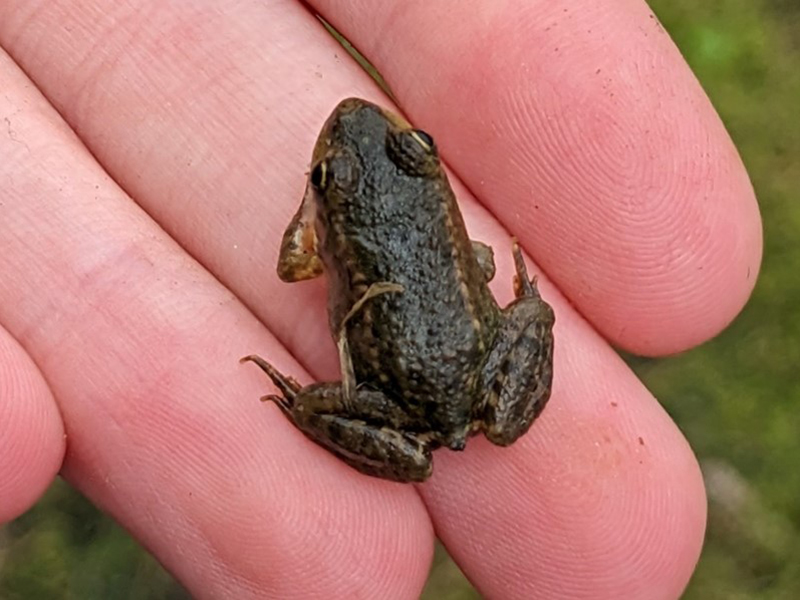
The Marsh Frog is an invasive species but the froglets, see above, are ideal prey for the Medicinal Leech.
This post is also available on Sussex Wildlife Trust website

