
By Paul Tinsley-Marshall
Site Manager of Rye Harbour Nature Reserve
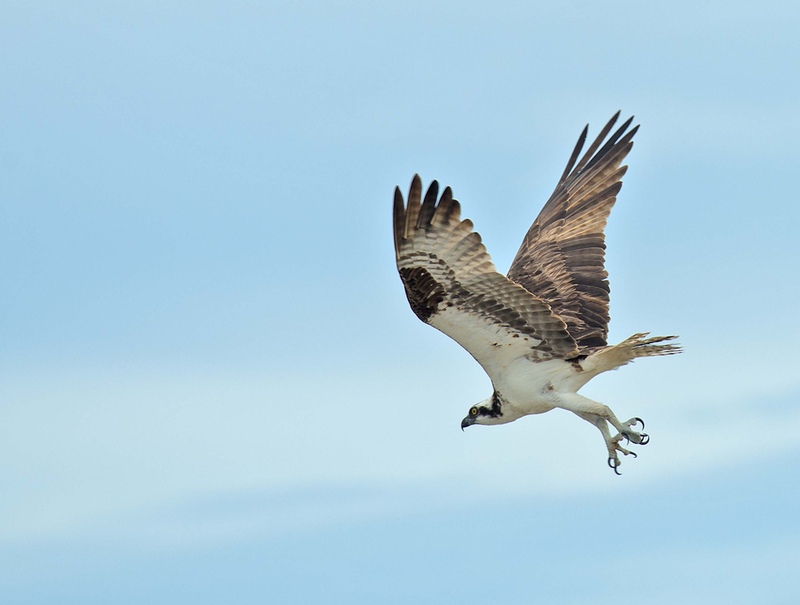
As August drifted into September, the undoubted highlight was an Osprey, which remained for at least two weeks and provided spectacular views from the Discovery Centre.
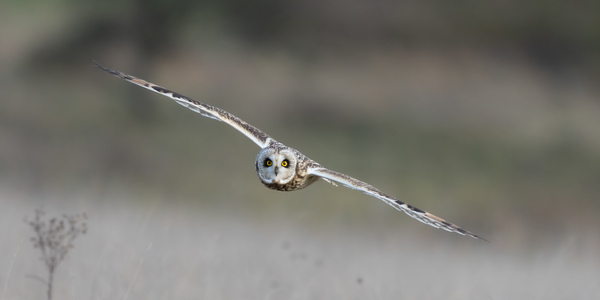
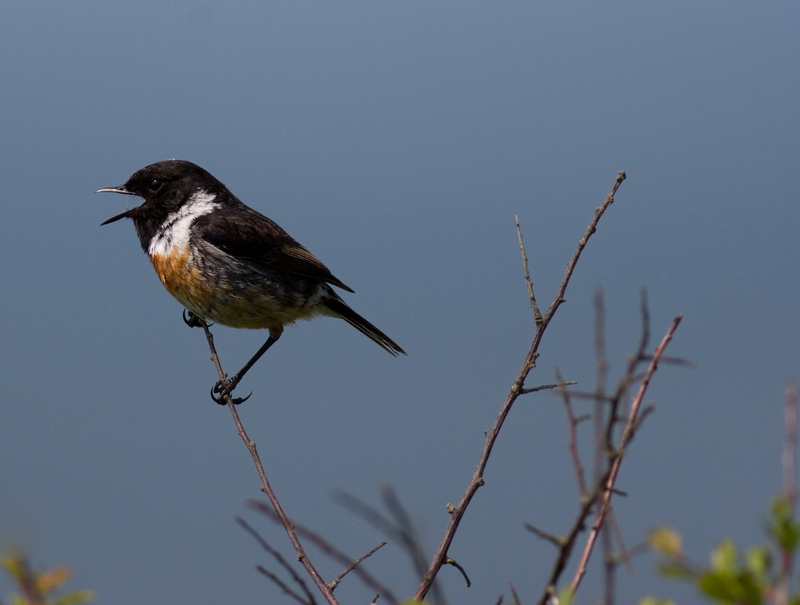
A Short-eared Owl was present on 1st Sept and at one point flew directly over the Discovery Centre. Other raptors seen included Hobby, Peregrine, Merlin, Kestrel and Buzzard. Many Swallow, House Martin, Sand Martin, and the odd Swift continued to pass through, along with Yellow Wagtail and Wheatear which were frequently spotted feeding on the ground. Whinchat (1-2) were present on at least two days, and a Stonechat was also reported.
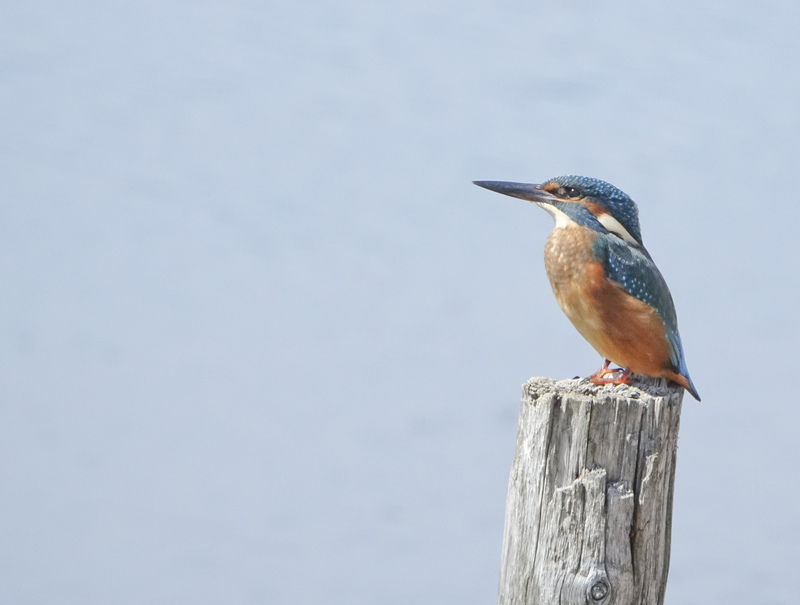
On the Beach Reserve a few lingering Sandwich Tern were about, and waders included Curlew (40-50), Whimbrel, Redshank (60+), Spotted Redshank present on at least two days, Common Sandpiper (up to 3), Green Sandpiper (up to 6), a single Curlew Sandpiper, Greenshank (up to 4), and Turnstone. At Castle Water Great White Egret (up to 3), Ruff (5), Little Ringed Plover (3) and a few Snipe accompanied the ducks and geese, a Cattle Egret was seen in Barn Field, and Kingfisher have been a regular sighting generally.
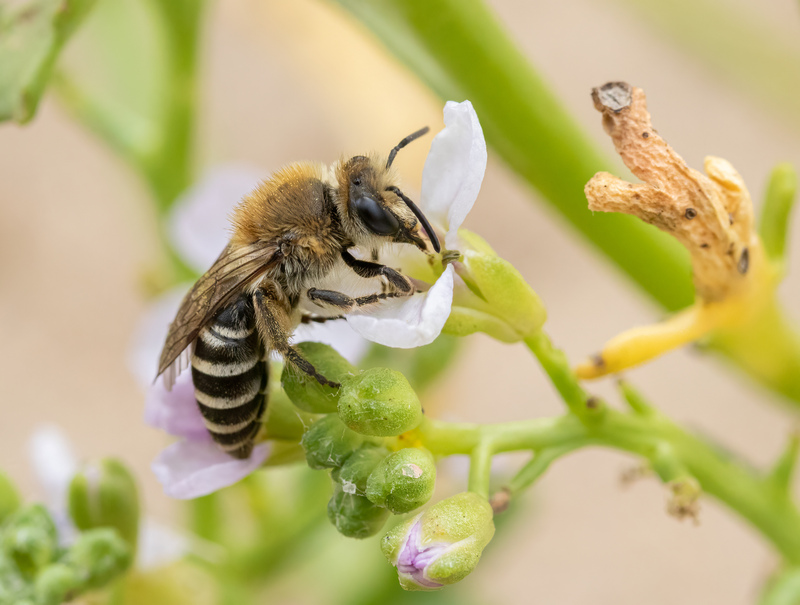
Invertebrates have included Marsh Mallow Moth (3) recorded during a survey led by Butterfly Conservation, and Sea Aster Bee, both site specialities, and a range of moths recorded in the trap have included the pretty Frosted Orange, crowd-pleasing Convolvulus Hawk Moth, and Ethmia bipunctella, a rare micromoth that feeds on Viper’s Bugloss (one of our specialist shingle plants). A collaborative search involving Sussex Wildlife Trust and Butterfly Conservation’s Kent’s Magnificent Moths Project discovered two Sussex Emerald caterpillars. Rye Harbour is their first and only known breeding site in Sussex, and this new population was only discovered in 2021 and couldn’t be re-found in 2022, so recording caterpillars again this year and in a new area of the reserve is great news and confirms they are still present and spreading.
On the botanical front, Ranger Dave King’s eagle eyes spotted a single flower spike of Autumn Ladies Tresses growing in an entirely new part of the reserve over 1 km from it’s known location, a Weasel was seen by one lucky observer, and evidence of Water Vole were seen in the ditches while carrying out routine tasks. If you have spotted something interesting on the reserve, please do make a record via https://irecord.org.uk/, and if you think it is particularly significant do let us know at [email protected].
This post is also available on Sussex Wildlife Trust website

