
By Paul Tinsley-Marshall
Site Manager, Rye Harbour Nature Reserve
March was generally unsettled, wet and dull, with a succession of frontal systems bringing rain and wind, though the month was not without some mild spring-like days. Temperatures were cooler than average at the beginning of the month, and southern areas recorded notably low daily minimum temperatures. The cool weather was replaced with milder weather for much of the rest of the month, with temperatures widely into the mid to high teens at times. Temperatures dipped again towards the end of the month, which ended on an unsettled note, with widespread showers and strong winds.
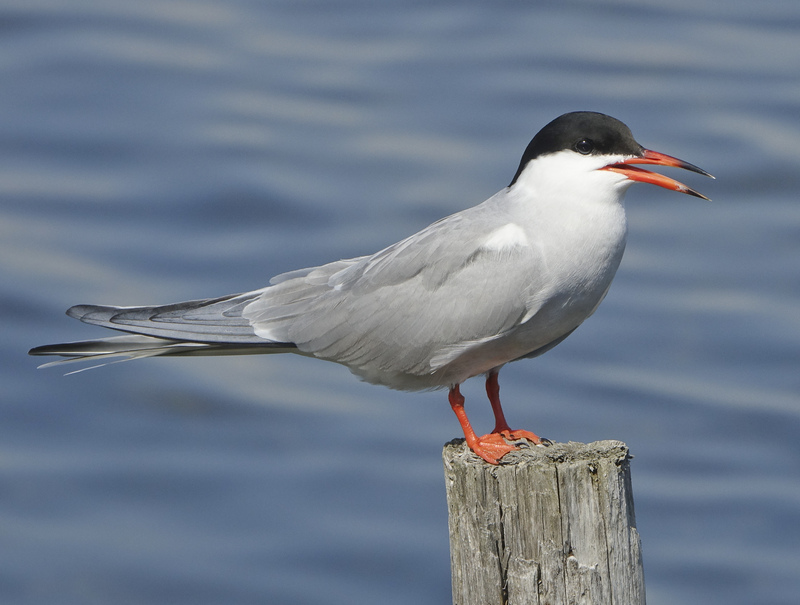
Counts of duck on Castle Water this month included Tufted Duck (54), Pochard (37), Shoveler (66), and on Flat Beach Pintail (286). A drake Garganey was on Ternery Pool on the 20th. There was a large movement of Brent Geese (850-1000) heading east on the 10th, and a lone individual lingering on the Salt Marsh on the 30th. An Egyptian Goose was present on Ternery Pool. Counts of waders included a single Spotted Redshank still present throughout the month, typically on Salt Pool and also on Flat Beach, a Bar-tailed Godwit on the 5th, Ruff (2) on Salt Pool on the 20th and a Whimbrel on the Salt Marsh on 30th. On Flat Beach counts included Avocet (66), Dunlin (300), Knot (100), Golden Plover (213), Grey Plover (33), Sanderling (14), and Oystercatcher (128). Breeding behaviours were on display from Ringed Plover, Oystercatcher, Lapwing, Redshank and Avocet. The first Common Tern was noted on 30th March, and Sandwich Tern (40+) numbers built up. Many Black-headed Gulls and Mediterranean Gulls are now investigating potential nesting locations on the islands on the Beach Reserve.
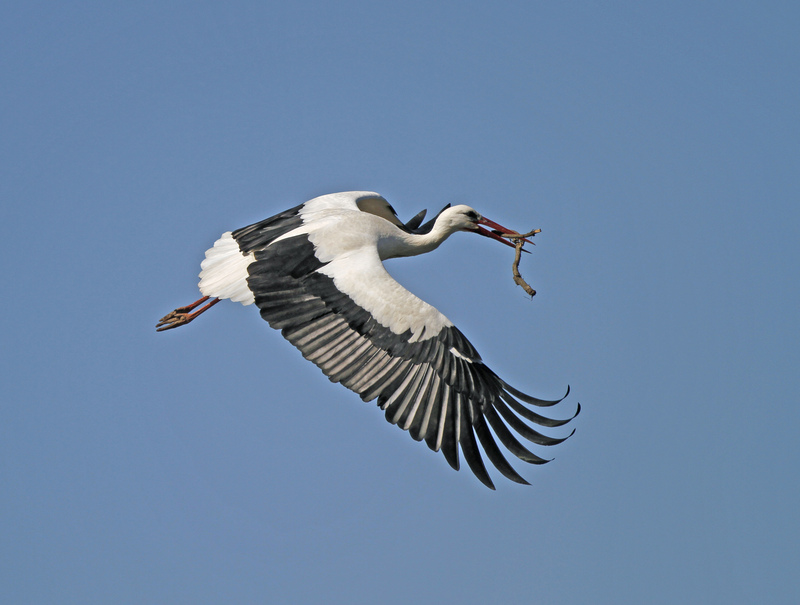
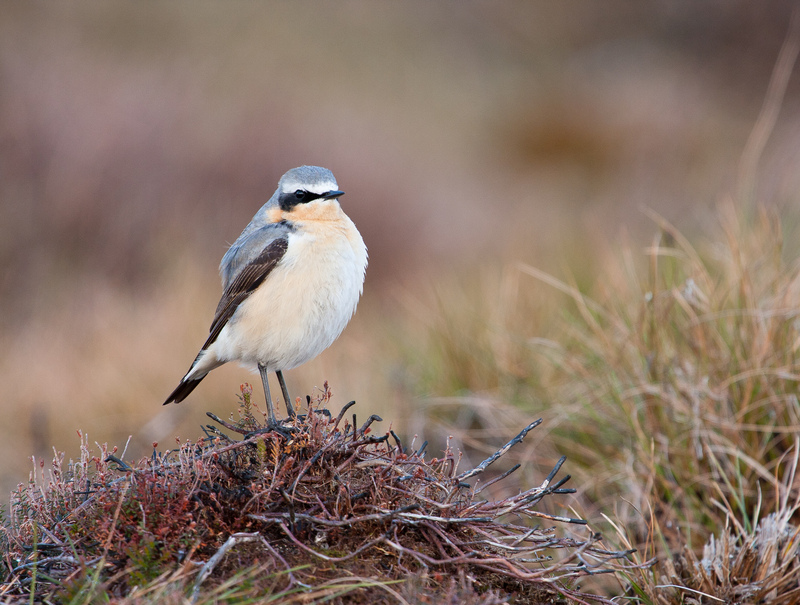
A White Stork was seen over the Discovery Centre on the 30th, and again a day or so later. A Bittern was booming at Castle Water from the 21st where Great Egret (4) were also noted on the 31st. At Castle Farm, Cattle Egret (4) were present on the 16th. Passerine migration include the first Wheatears noted at either end of the Beach Reserve on the 18th, and the first Swallow on the 30th over Gooder’s Hide. Many Chiffchaffs arrived, supplementing the wintering individuals already singing. Cetti’s Warblers were vocal throughout the month, and parties of Bearded Tit noted occasionally. Rock Pipit (3+) were noted on Flat Beach on the 11th. Skylark, Linnet and Reed Bunting could be seen and heard throughout. A pair of Grey Partridge were noted near Barn Pools, a Merlin was seen, and a Kestrel was observed hunting alongside Nook Drain. Redwing and Fieldfare still evident into the month, a Mistle Thrush was singing regularly near The Ocean, and Raven were seen making trips to and from the Beach Reserve.
Stoats were seen occasionally, including one individual dragging an unidentified large item of prey through the garden of Watch Cottage.
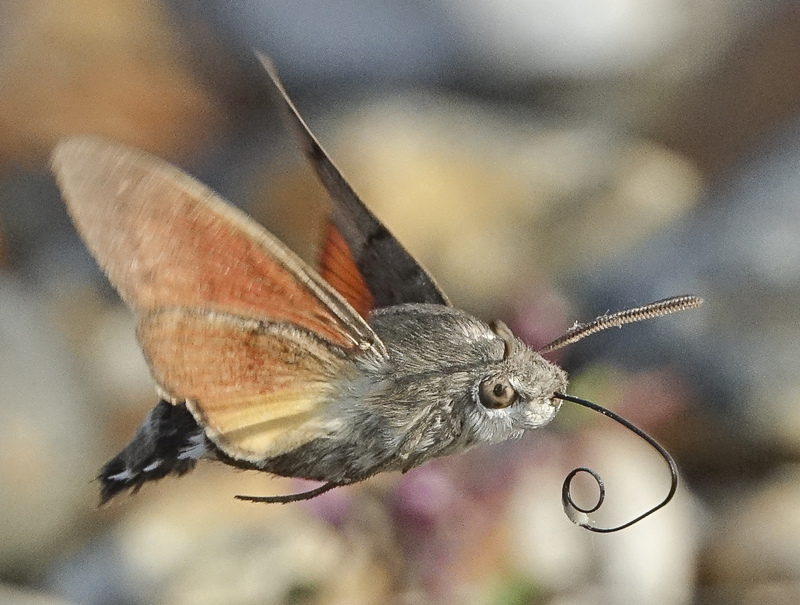
Lepidoptera on the wing this month included Brimstone, Peacock, Red Admiral and Small Tortoiseshell butterflies, and a Hummingbird Hawkmoth was seen on the 18th in a garden at the Winchelsea Beach end of the reserve. A Mottled Shieldbug was found at Watch Cottage on the 29th.
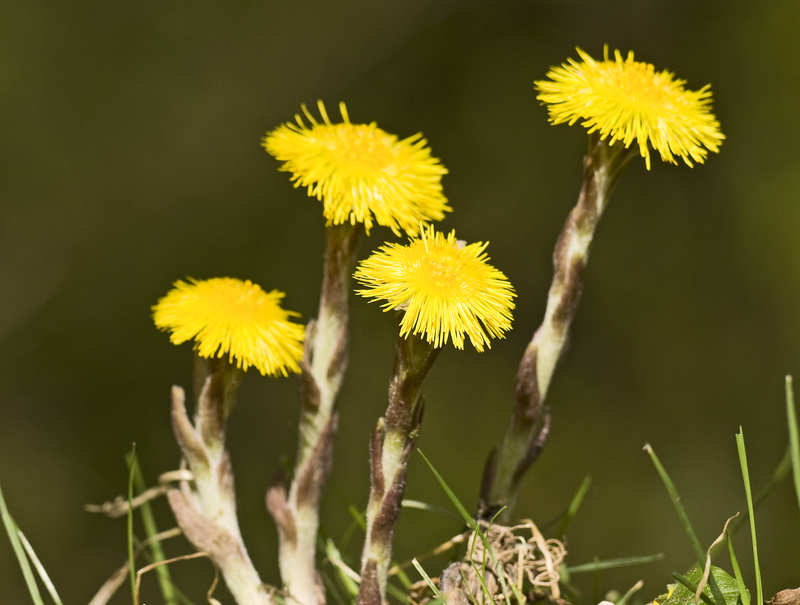
Plants in flower included Coltsfoot, White Deadnettle, Red Deadnettle, Common Whitlowgrass, Danish Scurvy-grass, Early Forget-me-not, Blackthorn, Grey Willow and Alder, and as ever, Common Gorse.
Thanks go to all the observers whose observations contribute to the monthly sighting reports. If you have spotted something interesting on the reserve, please do make a record via iRecord, and if you think it is particularly significant please let us know at [email protected]
This post is also available on Sussex Wildlife Trust website

