
The water levels of Flat Beach were extremely low all month as high air pressure pushed the sea down during spring tides. However, the spring tides of early August will fill up all the saline wetlands again.
July was a very wet month that enabled the shingle flowers to have an extended flowering season – including the rare Red Hempnettle, Least Lettuce, Sea Pea and Stinking Hawksbeard.
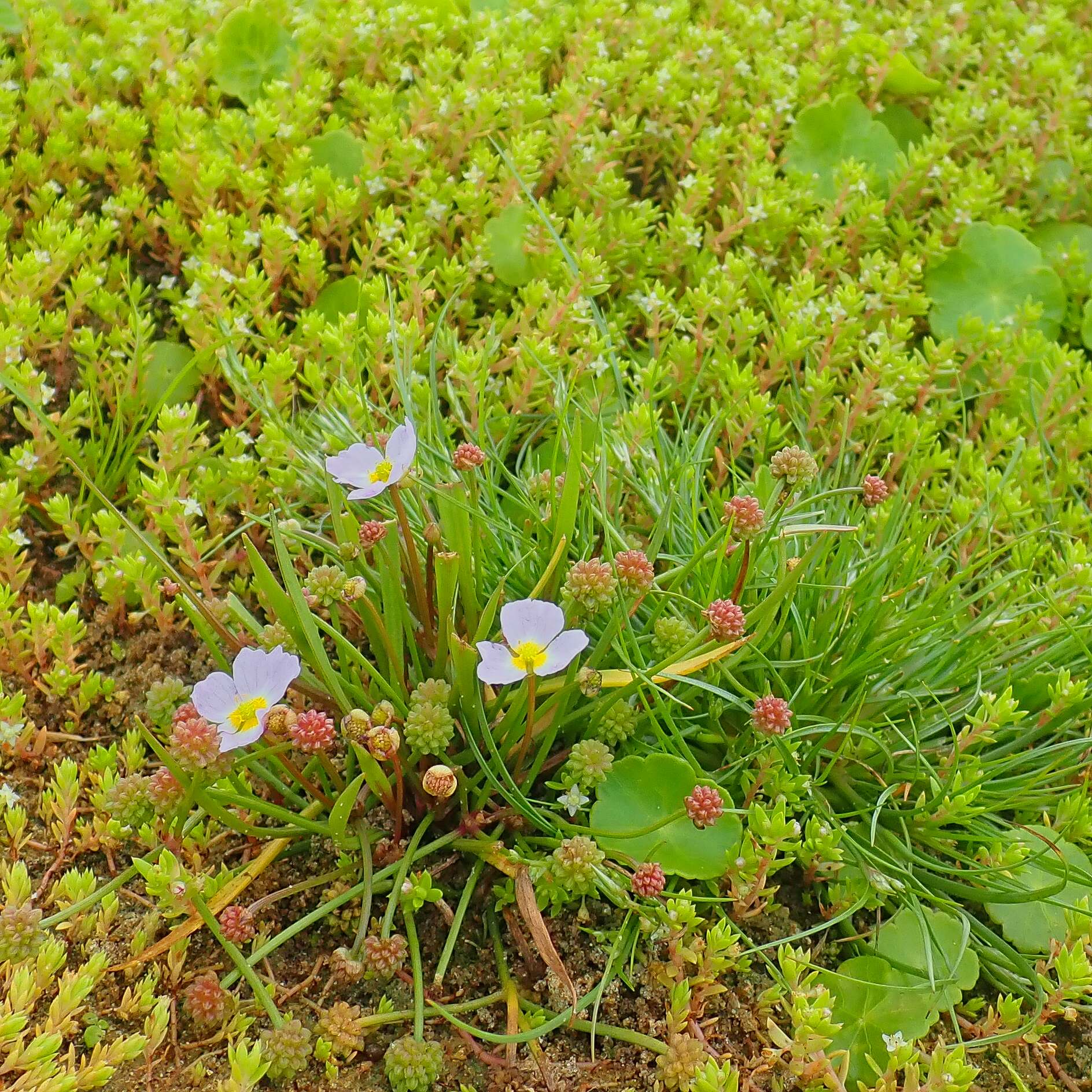
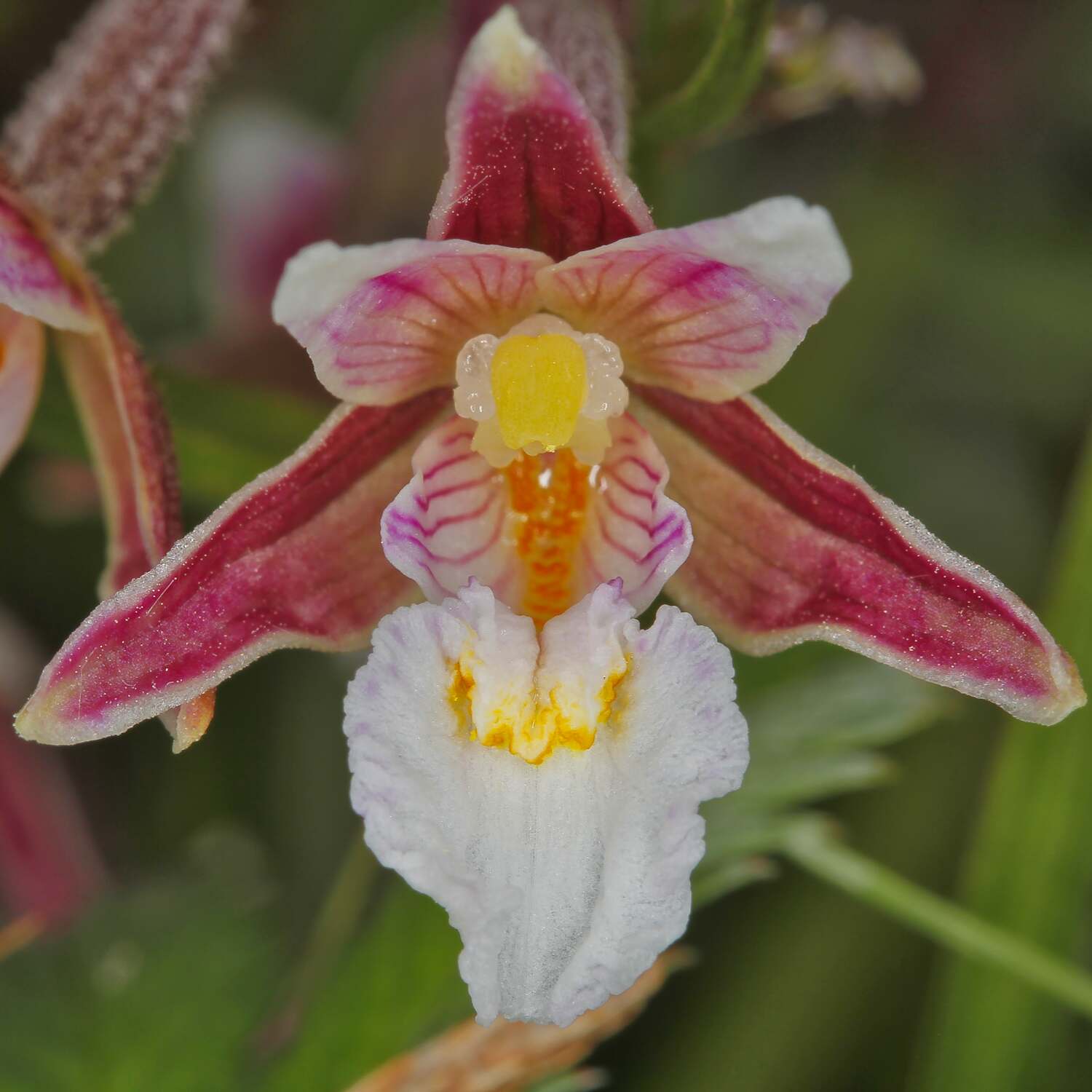
Surveys of our rare wetland plants at Castle Water found 2000+ plants of Lesser Water-plantain and 1000+ Marsh Helleborines.
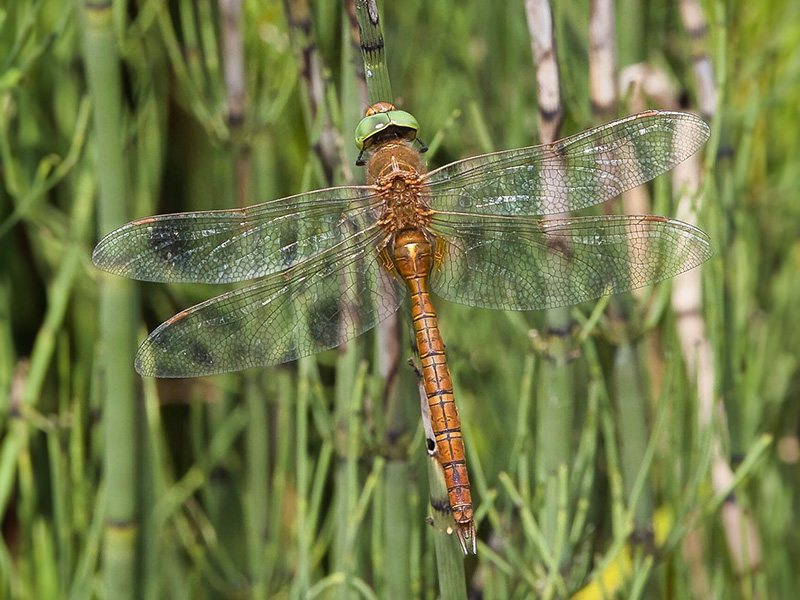
Several Norfolk Hawker dragonflies were seen at Castle Water, in line with them being recorded widely in Sussex for the first time this year. They may well be from France and not Norfolk and should perhaps now be caller Green-eyed Hawkers !
The breeding terns had a productive year: Common Tern - 187 pairs raised more than 100 chicks, Sandwich Tern – 100 pairs raised about 100 chicks; Little Tern - 7 pairs raised about 10 chicks, but had mostly left by the end of the month. For a blog about Sandwich Terns see - https://rye.sussexwildlifetrust.org.uk/blog/sandwich-terns-at-rye-harbour
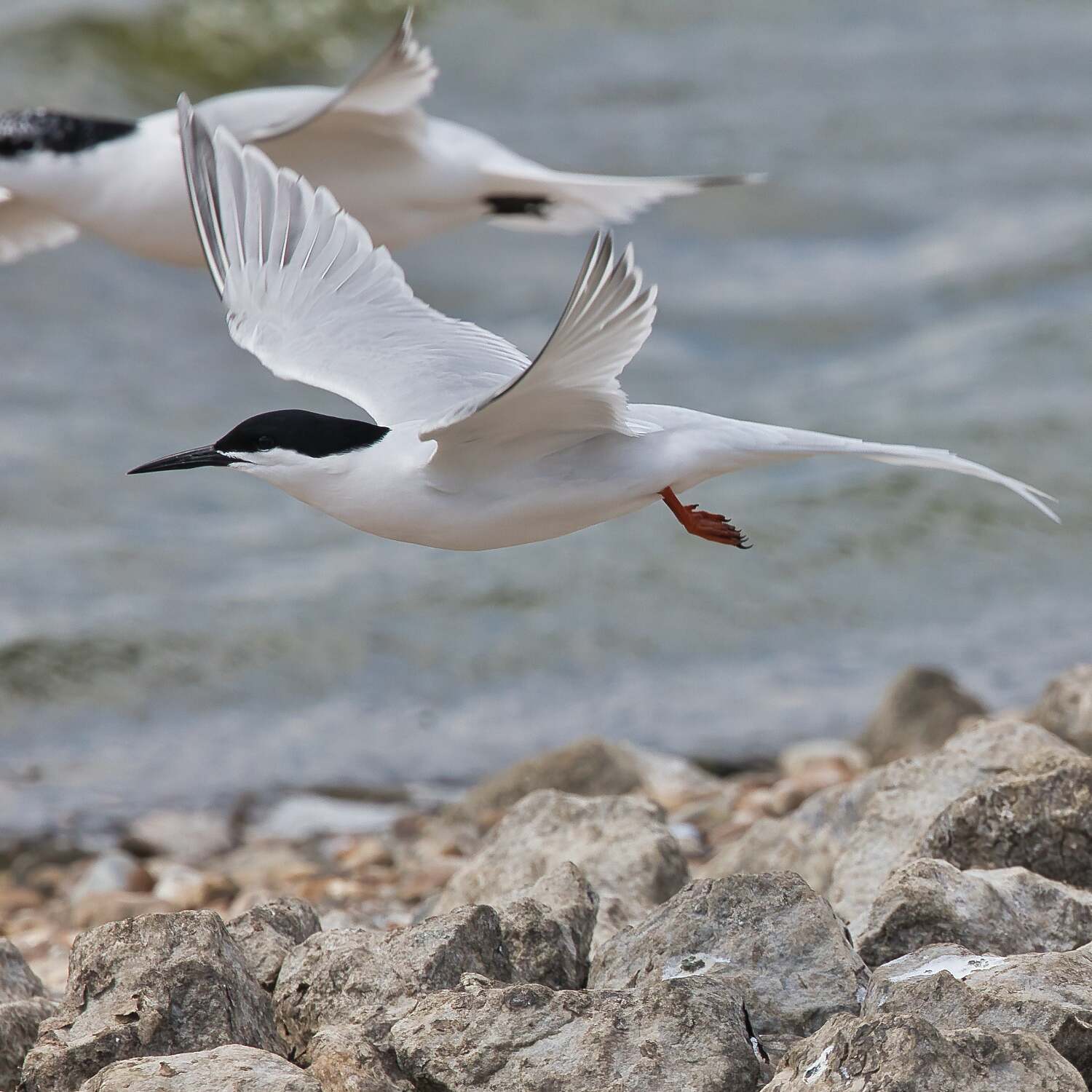
Rare terns at Ternery Pool included several sightings of 1-2 Roseate Tern 5th to 7th and even rarer, for Rye Harbour, a first year Arctic Tern on 6th.
Little, Great White and Cattle Egrets were all seen regularly at Castle Water and at the end of the month about 25 Little Egrets were feeding at Ternery Pool.
More than a 100 Curlew and a few Whimbrel returned to moult by mid-month.
It was a relief that there were no signs of Bird Flu here this year, despite the disease causing great losses to seabird in many British and French colonies.
This post is also available on Sussex Wildlife Trust website

