
David Bentley - Sussex Wildlife Trust volunteer
Changeable and sometimes wet weather at the start of the month settled down to leave a largely very warm, dry June with another record-breaking heatwave from Midsummer's Day onwards.
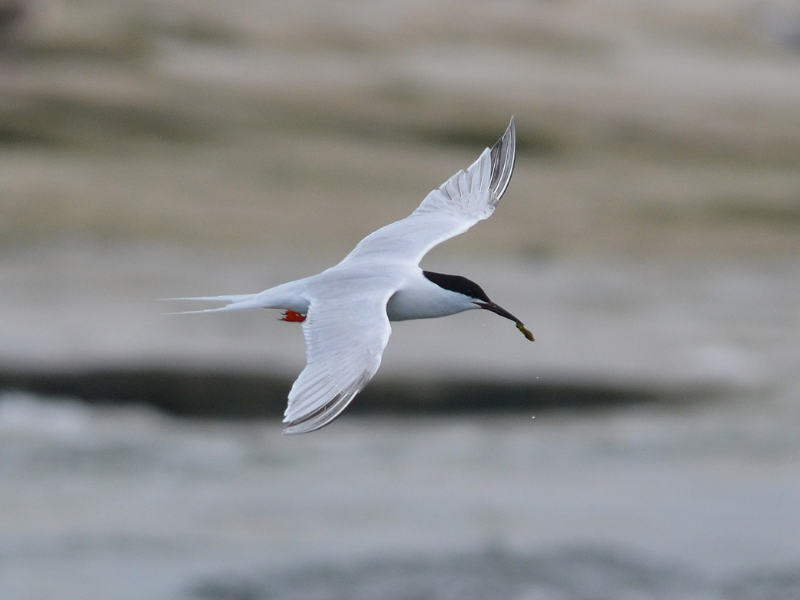
Our masses of breeding terns sometimes attract a rarer cousin and so it was that a single Roseate Tern was seen on 1st and two more were watched from Parkes Hide on 29th. Breeding Sandwich and Common Tern both had young from 5th and by the end of the month it was established that we had ten adult Little Tern with four or five chicks at Flat Beach.
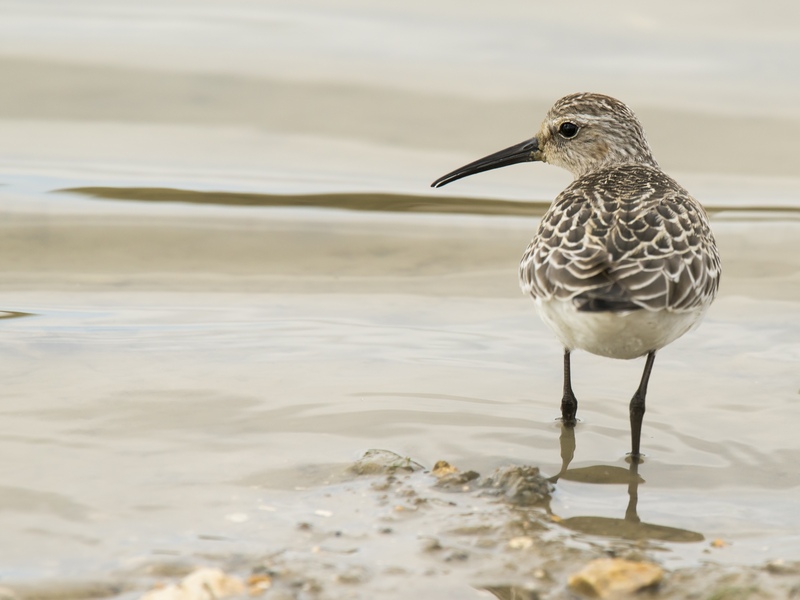
Spring wader passage, with birds racing through to take advantage of the short far-north summer, is barely over before the more leisurely 'autumn' return begins. Those birds that failed to breed are likely the first to be spotted. June was a good month for waders beginning with 12 Bar-tailed Godwit at Salt Pool on 11th, followed by two Sanderling at Ternery Pool from 15th to 17th and a Little Stint at the same place also on 17th.
After their usual, brief, early-summer absence, Curlew were back in force on 25th with 42 counted opposite the Discovery Centre. Singles of Curlew Sandpiper and Greenshank were seen from Crittall Hide on 26th, while Spoonbill, Greenshank and over 20 Avocet were recorded at Castle Water on the same day. The first three returning Green Sandpiper flicked and bobbed their way around muddy margins at Castle Water on 28th. A single Whimbrel at Castle Water on 29th rounded off the month.
A congregation of over 400 Mediterranean Gulls on Flat Beach on 25th was notable and curious.
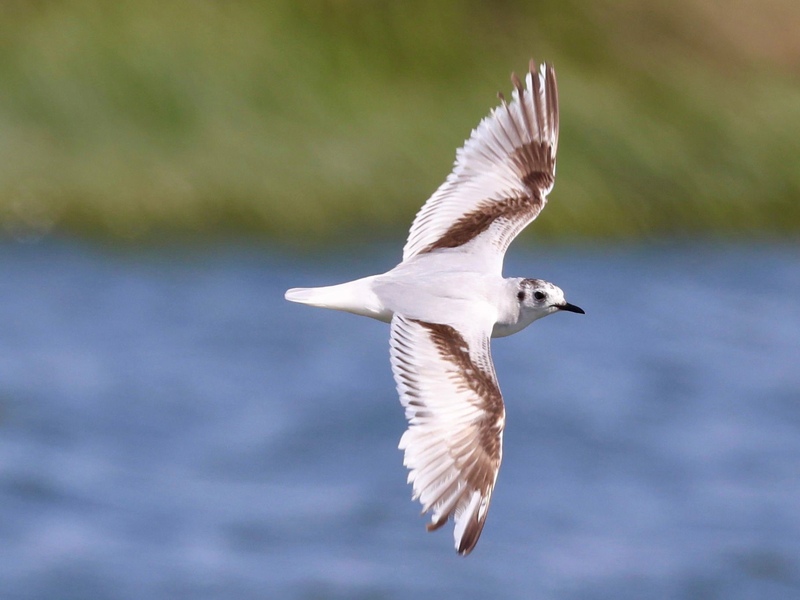
There were two Little Gull at Salt Pool between 13th and 20th, with possibly one of those birds at Castle Water on 19th. These are the world's smallest gull species and are generally easy to spot, with their light, tern-like flight, often picking insects from the air or the surface of the water.
A 'reeling' Grasshopper Warbler was heard and occasionally seen in scrub near Corner Pool between 11th and 14th. The thick, low scrub adjacent to Narrow Pit and around Harbour Farm occasionally attracts a spring bird or two, but they very rarely linger or breed.
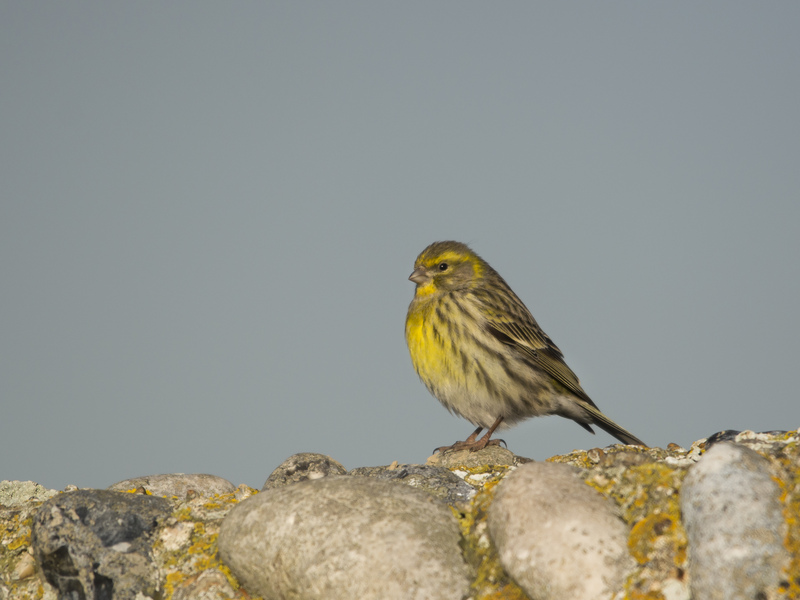
Bird of the month goes to a singing Serin by Watch Cottage on 23rd. The song of this small, yellowish finch is a super-fast 'crushing glass' jingle. This is an excellent sighting as it's a rare bird on the reserve with only a handful of records, despite being relatively common in northern France.
Painted Lady butterflies have been present in small numbers all summer, but ranks swelled towards the end of the month, along with a few Hummingbird Hawk-moths, coinciding with the hot weather.
Long-horned Bees were feeding on Meadow Vetchling at Nook Drain from at least 10th. Good numbers of Brown-banded Carder Bees and single Southern Cuckoo Bee and Ruderal Bee were found on 14th, also at Nook Drain.
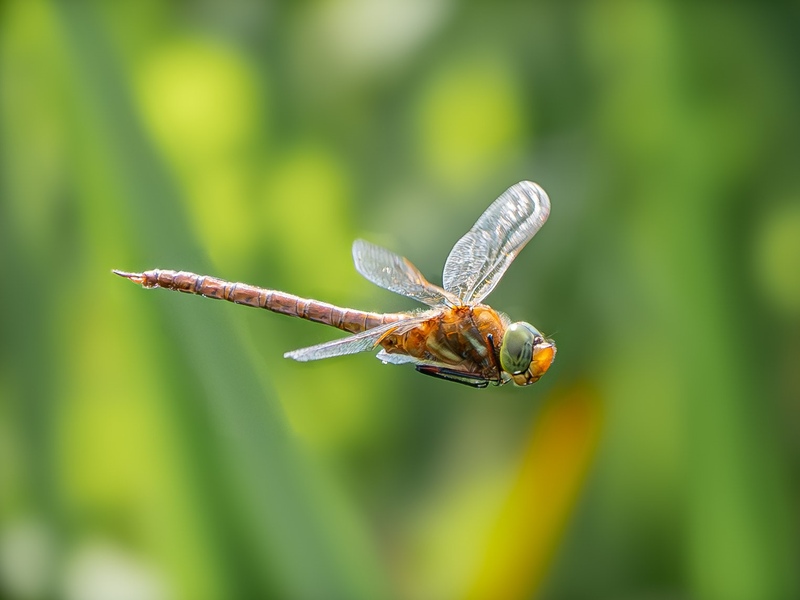
A Norfolk Hawker was recorded at Barn Field on 23rd and a Four-banded Longhorn Beetle was at Castle Water on 25th.
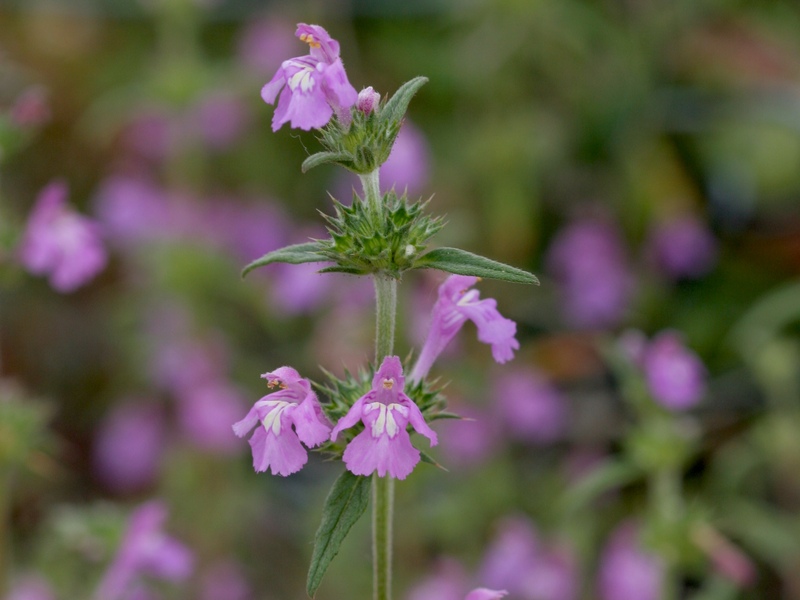
The nationally critically endangered Red Hemp-nettle was in flower just behind the beach from 25th at least and should be visible throughout July. Viper's-bugloss seems particularly abundant this year and other plants in flower in June included Sea Pea, Yellow Horned-poppy and Red Valerian.
This post is also available on Sussex Wildlife Trust website

