
By Kerry Williams
Communications Officer - Conservation
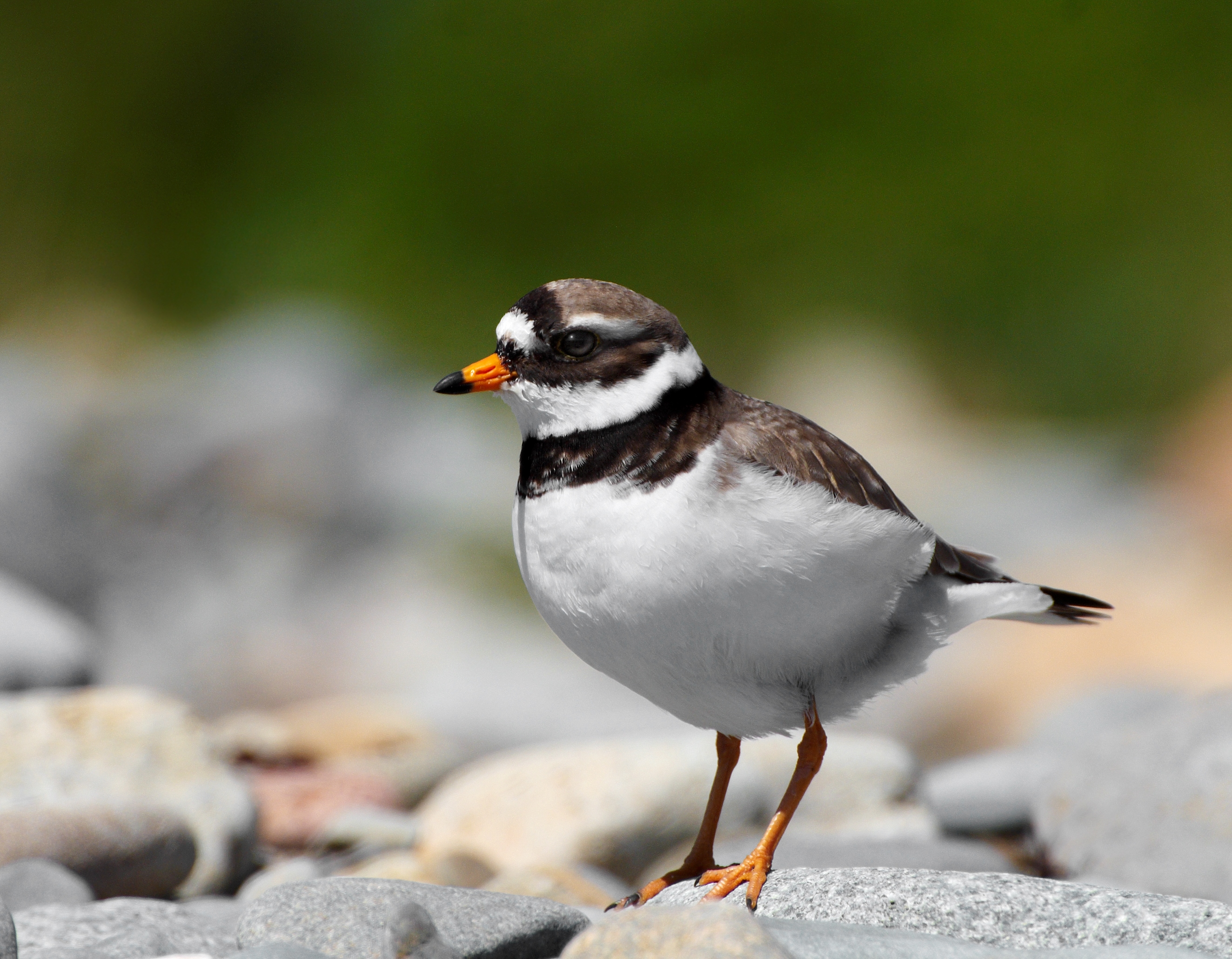
Big eyes, short legs, and frequently described as ‘rotund’; there’s no denying it. Ringed Plovers are adorable. Our UK residents are joined by over-wintering migrants and can be found all around our coastline and some estuaries, in shingle and wetland habitats.
These charismatic waders possess spectacular acting talents. Little orange feet stamp sandy ground to mimic falling raindrops, tempting out tasty subterranean crustacean snacks. Mates are wooed with marching high-kick dance routines. Shingle nest preparation involves an umbrella of wings and much flinging of shells in a dramatic ceremony.
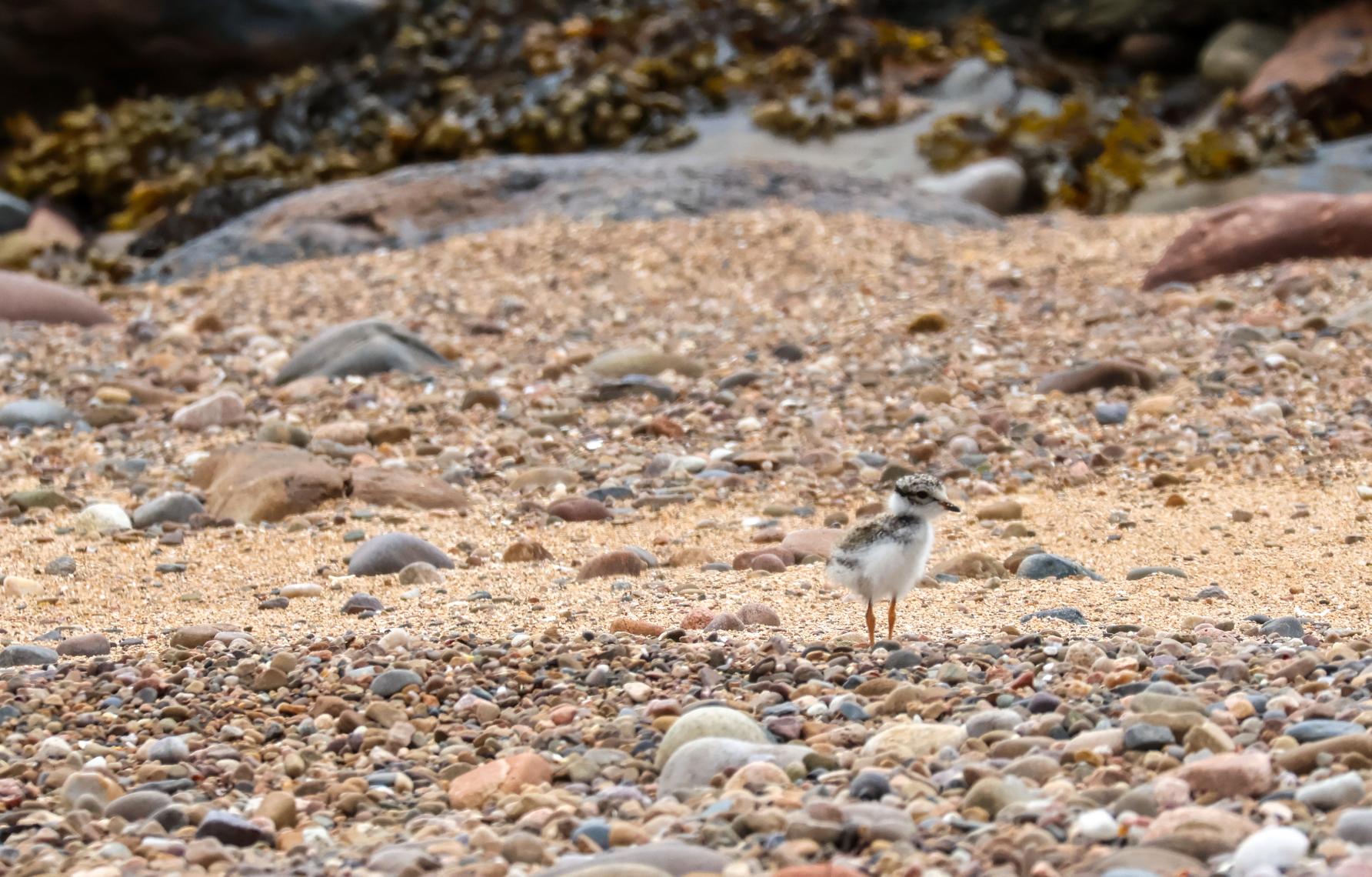
Being masters of disguise, Ringed Plover nests are inconspicuous, with both dappled eggs and fluffball chicks seamlessly blending into their sand and stone surroundings. This is optimum for ground-nesting predator evasion, and chicks will freeze, Jurassic Park style, should a marauder enter their midst.
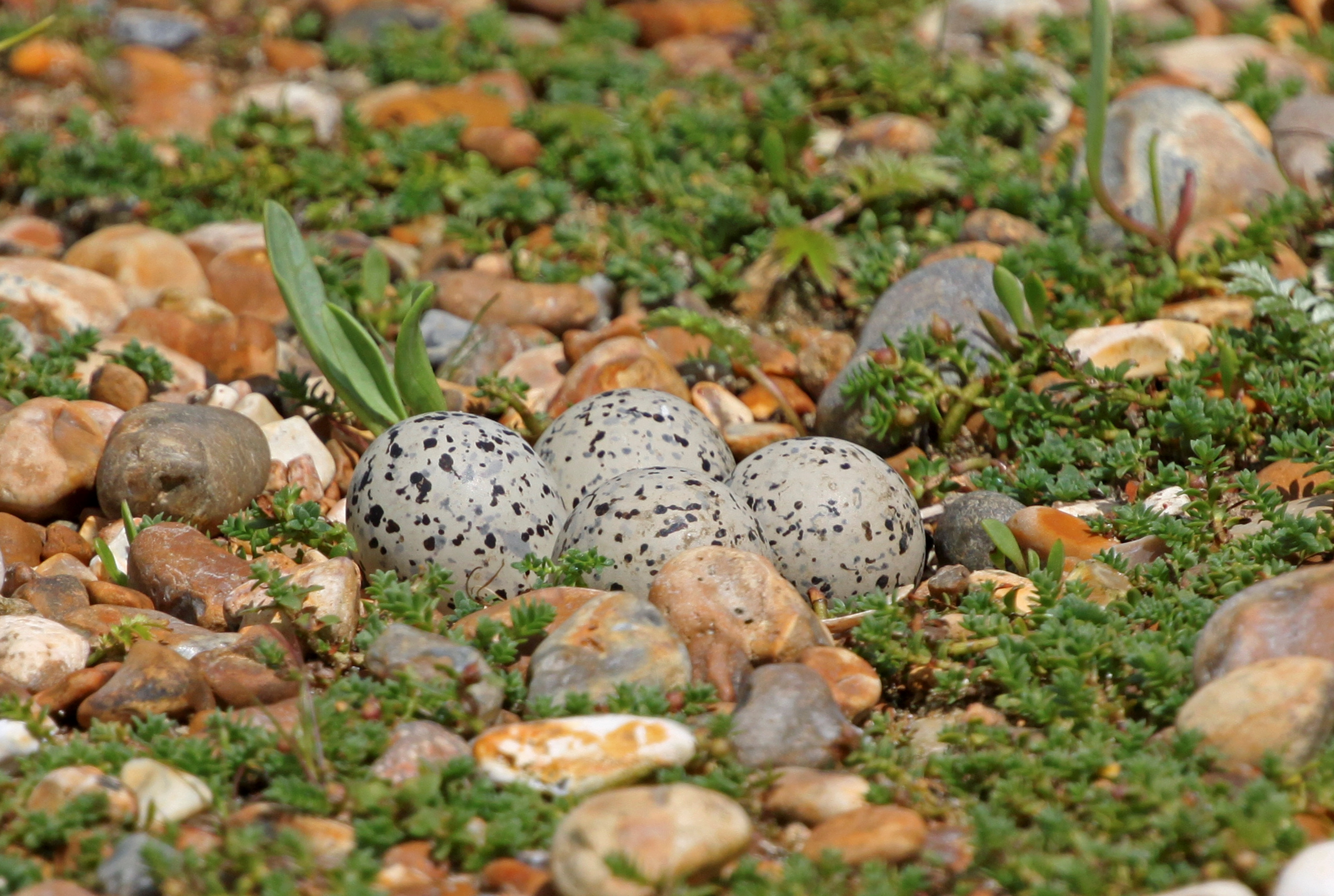
Hiding in plain sight, however, leaves the species incredibly vulnerable to disturbance, especially on our over-populated and well-trodden coastlines. Eggs can easily be crushed under the flimsiest of flip-flops, and chicks are hard to spot until very close by. And a bigger problem still: free-roaming dogs.
It doesn’t matter if your beloved pup is the best-behaved boy in town, with great recall and no prey drive. Domestic dogs are perceived as natural predators by birds, and even if they aren’t likely to take a chick or investigate a nest, they can easily and unintentionally cause disturbance when off the lead.
Ringed Plover parents are fiercely committed to nest protection, even theatrically feigning a broken wing to lure predators away from their precious offspring. But feisty though they be, they weigh only 65 grams; no match for a snuffling hound.
An increase in these acts of disturbance, habitat loss and climate change have contributed to a significant decline in numbers of UK Ringed Plovers since the mid-1980s, and the species is now on the UK Red List.
To help, you can keep your dog on a lead whilst walking around our coastlines, especially during March to August, the breeding season for these, and many other bird species. You can keep your distance; good practice for all wildlife watching, but especially with ground-nesting birds. And you can tell other people, to help raise awareness of the otherwise unknown perils of simply letting your dog off the lead.
In highlighting these issues, we hope the Ringed Plover performance may long continue. They just need less audience interaction.
Ringed Plover courtship at Rye Harbour Nature Reserve © Kai Hilton
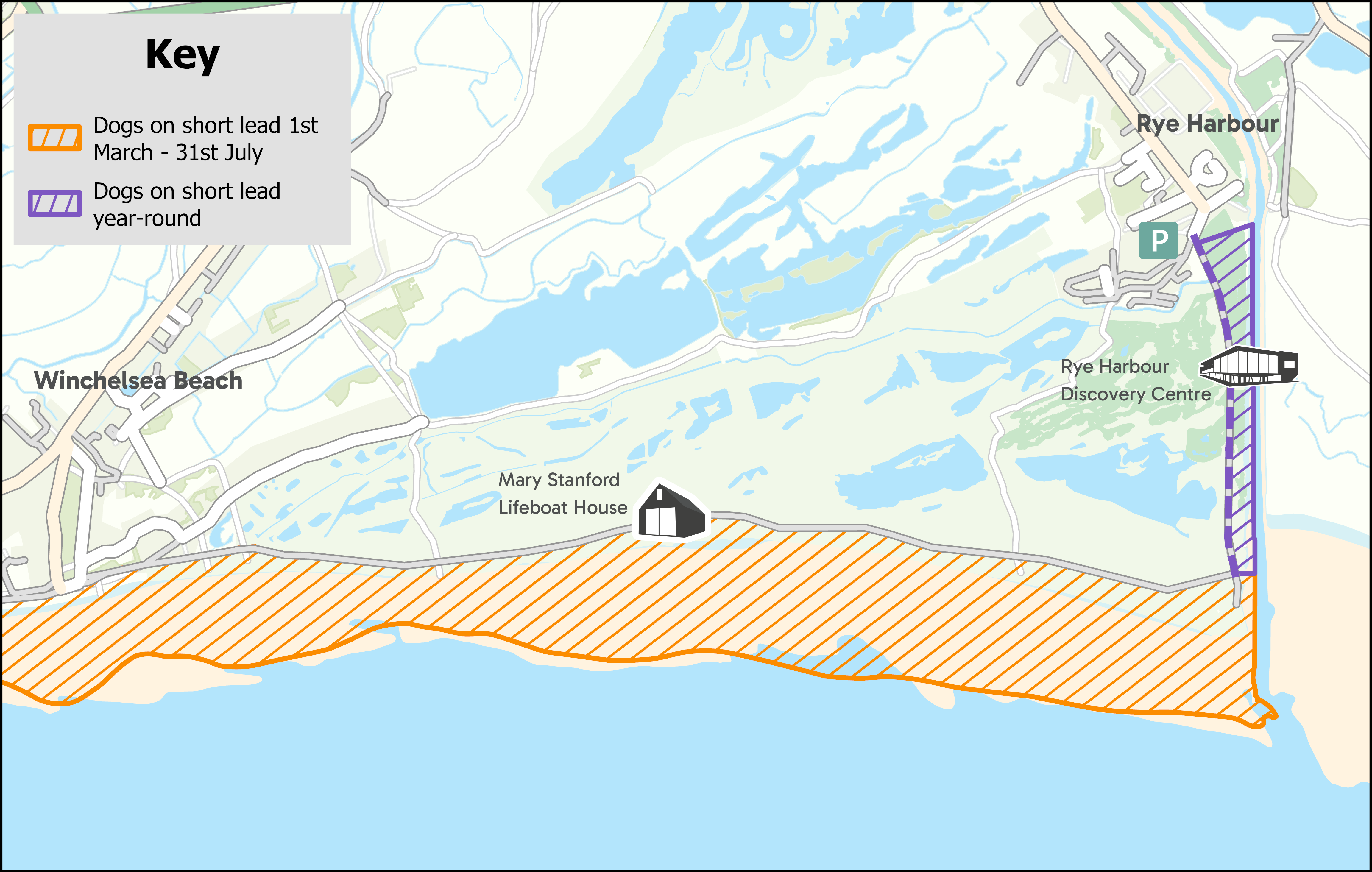
You can help Ringed Plovers at Rye Harbour Nature Reserve by keeping your dog on a short lead - see the map below for the priority areas and timings.
This post is also available on Sussex Wildlife Trust website

