
By Barry Yates
Rye Harbour Nature Reserve Manager
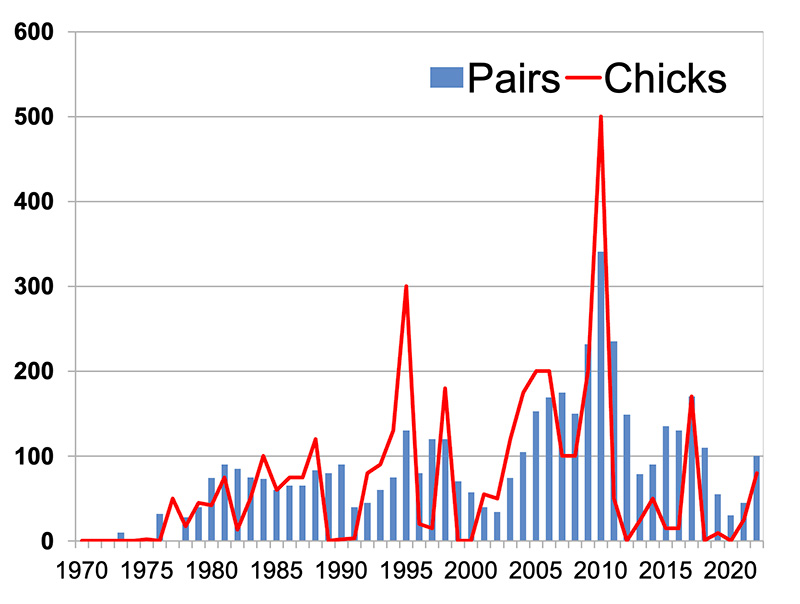
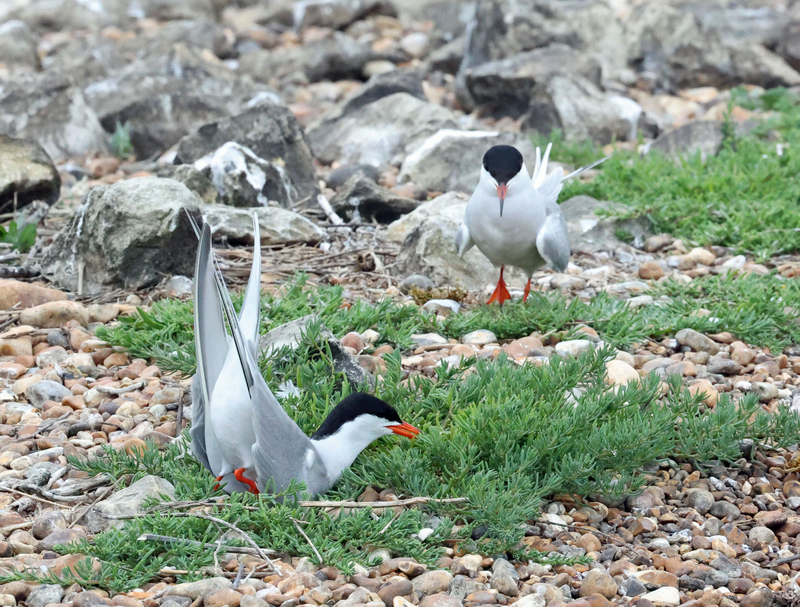
The UK population of Common Tern is about 11,000 breeding pairs, but in Sussex there are only about 300 and most of these are in the Rye area – at two locations Rye Harbour and Pett Level. The graph below represents the history of the species at Rye Harbour Nature Reserve and includes the annual estimate of the number of chicks fledged each year.
Last year the UK was hit badly by Highly Pathogenic Avian Influenza = HPAI = Bird Flu and colonies of seabirds were seriously affected.
At Rye Harbour about 500 seabirds died - most were Herring Gull, but a few were Common Tern.
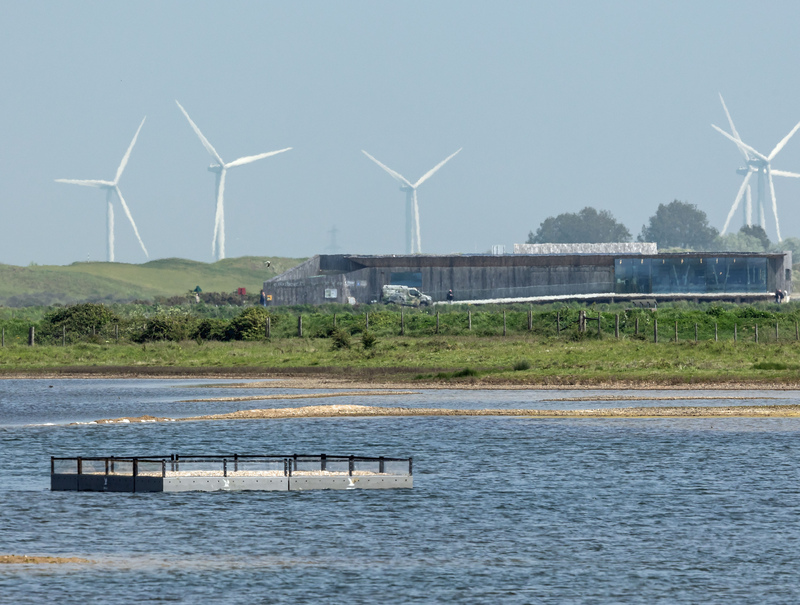
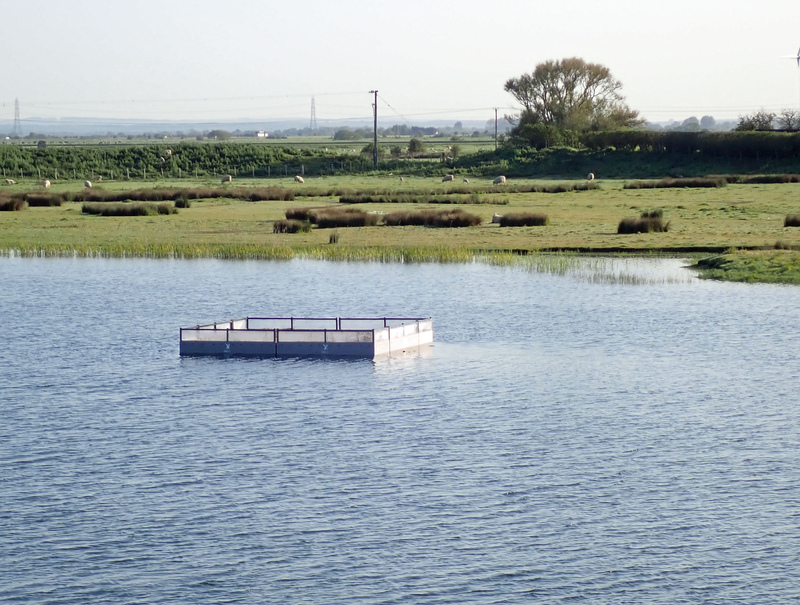
Over the winter a project was put together to provide additional nesting sites for Common Tern on artificial islands, or rafts, away from the dense colonies of Black-headed Gull with the higher danger of HPAI.
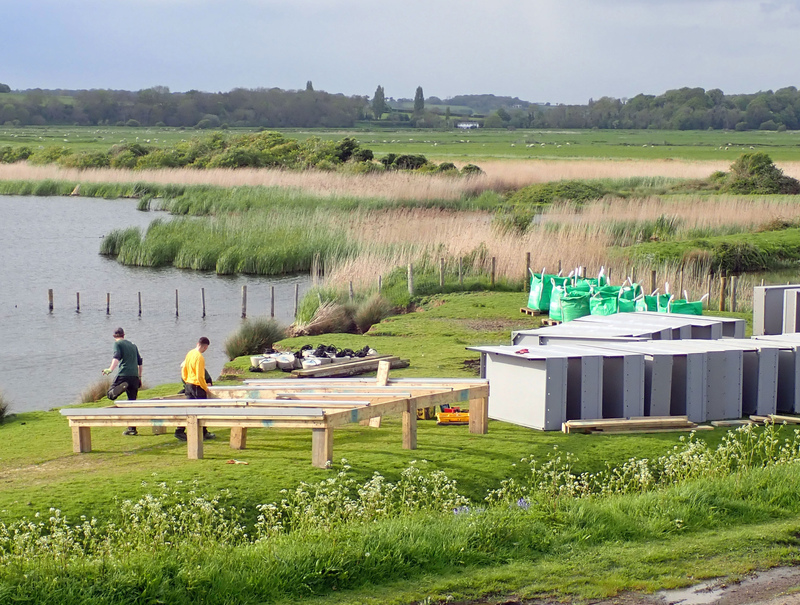
The basis of the project was six 5m x 5m rafts constructed and installed by the team from GFB - https://www.greenfuturebuilding.co.uk as recommended by the RSPB.
- 3 at Pett Pools
- 2 on the Salt Pool at Rye Harbour Nature Reserve
- 1 on the gravel pit just west of Camber.
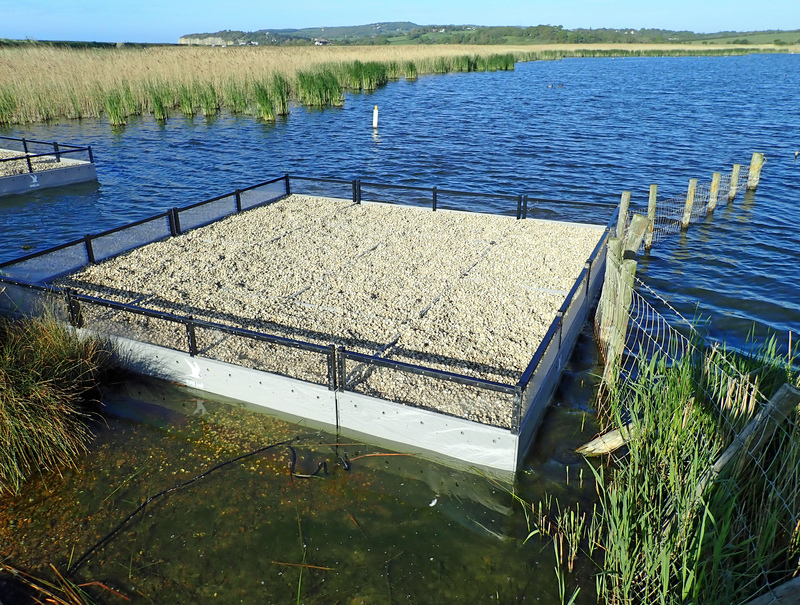
Each raft was made of three elements:
- 8 prefabricated sections that were bolted together by at the water’s edge on a sloping launch frame
- has eight 47 kg anchors to hold it in place on the water
- 1200 kg of cockleshells to provide the ideal nesting substrate.
We started building these rafts on 9th May and the last was in place a week later.
It is important not to put them out too early, because this increases the chance of Herring or Black-headed Gull using them. We don’t want the gulls on these rafts and they already have greater choice of where to nest.
Now we wait to see if the Common Tern do as we hope and nest and raise young on these new places.
We could not have carried out this project without
- Funding from Natural England
- Project co-ordination by the RSPB
- The sites managed by Environment Agency, Sussex Wildlife Trust, Wetland Trust and a local farmer.
- The amazing support from some amazing volunteers from Sussex Wildlife Trust and from the practical help of Rye Golf Club.
- Not forgetting the finance departments of the project partners – thank-you Maggie and Helen.
Common Tern are on the UK Birds of Conservation Concern list they are Amber – find out more about them at https://www.bto.org/understanding-birds/birdfacts/common-tern
This post is also available on Sussex Wildlife Trust website

