
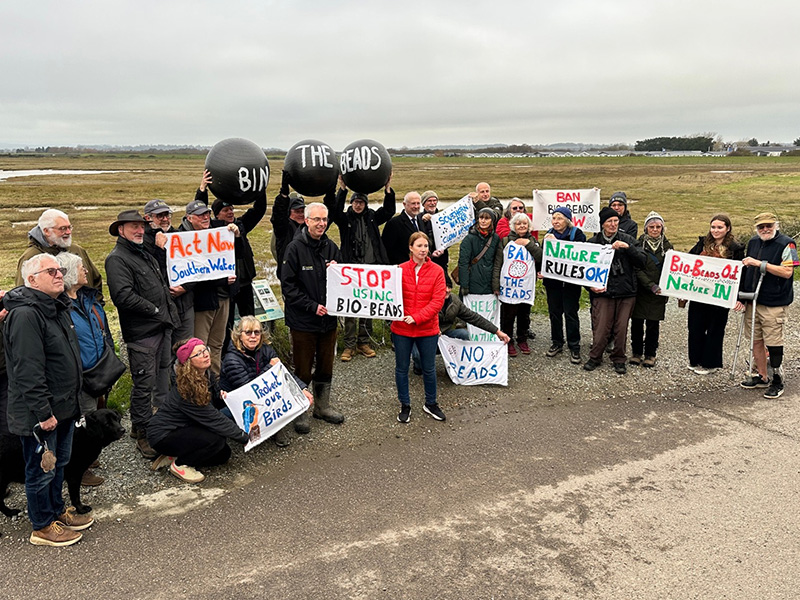
In October, an environmental disaster struck our coastline. An estimated ten tonnes of plastic bio-beads leaked from Southern Water's Eastbourne Wastewater Treatment Works into the sea, and we're still dealing with the devastating consequences.
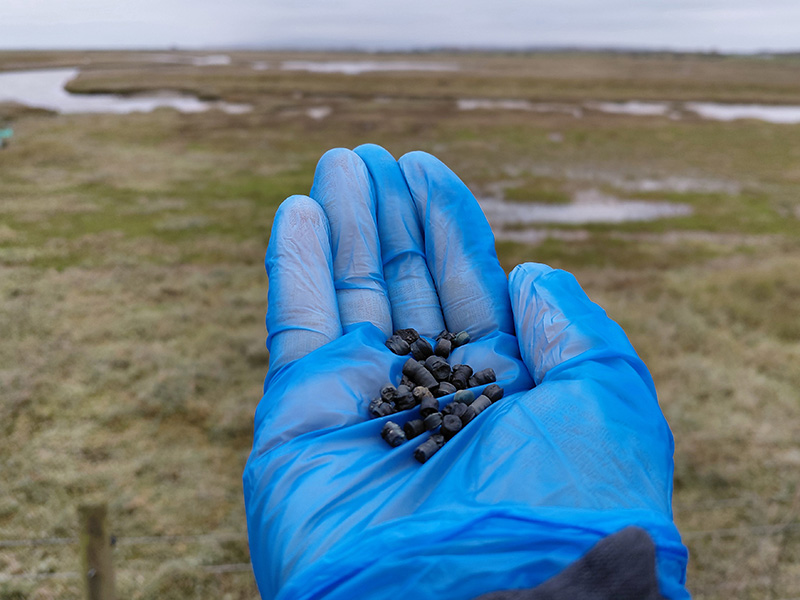
Millions of these tiny plastic pellets have washed up at Camber Sands and Rye Harbour Nature Reserve, one of Sussex's most important wetland wildlife sites. Birds feeding in the saltmarsh habitat risk eating the beads, with potentially catastrophic long-term impacts on our wildlife.
The clean-up has been extraordinarily challenging. Despite our best efforts, we may never recover every single bio-bead, and each high tide brings more ashore. While this is the first time we've confronted bio-bead pollution on such a scale, it's far from the first disaster of its kind nationally. Unless action is taken, it certainly won't be the last.
The answer is straightforward, end the use of bio-beads in wastewater treatment across the UK. These plastic pellets represent outdated technology. Modern alternatives already exist, and water companies must make the transition to these safer technologies immediately.
We're actively lobbying for urgent change throughout the entire country. The use of bio-beads poses too great a risk to our marine and coastal wildlife to continue unchecked.
Your Voice Matters
We are backing a petition to end the use of bio-beads, championed by local MP Helena Dollimore.
Sign the Petition to Bin Bio-beads
Together, we can protect our coastline, safeguard our wildlife, and hold water companies accountable for adopting safer wastewater treatment methods.
Sign the petition now and help us make a difference.
This post is also available on Sussex Wildlife Trust website

