
By Sarah Watson
Events Officer, Rye Harbour Nature Reserve
One of our rangers mentioned that the nature reserve’s fungi could be better recorded. Being a fungiphile, this was my cue to investigate the fields around Camber Castle, where I found a multitude of grassland mushrooms.
Grassland fungi absorb nutrients by connecting with species like grasses and mosses, or they feed on decaying material. Most of the fungus is the ‘mycelium’, fine strands underground or in the material it’s feeding on. The parts above ground, sometimes called mushrooms, are the fruiting bodies.
Here are a few of my fungal finds. Look down to notice these fascinating fruiting bodies at your feet popping up on grassland now...
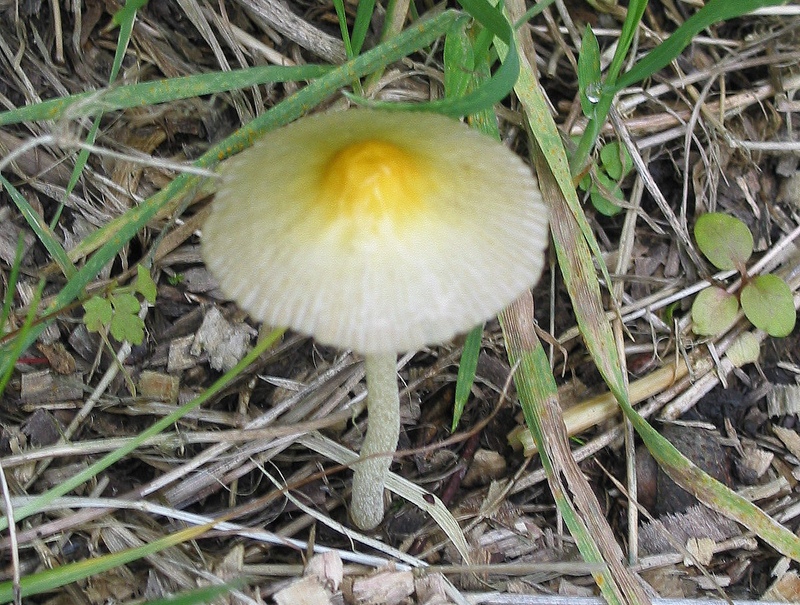
Yellow Fieldcap
This delicate little mushroom is one of the shortest-lived of all! Starting off like a bright yellow egg on a stick, within a matter of hours, the glossy, slimy cap opens up like a tiny parasol and fades to a whitish colour. Especially likes old cow pats, so you’re likely to find it on grazed fields.
Shaggy Inkcap
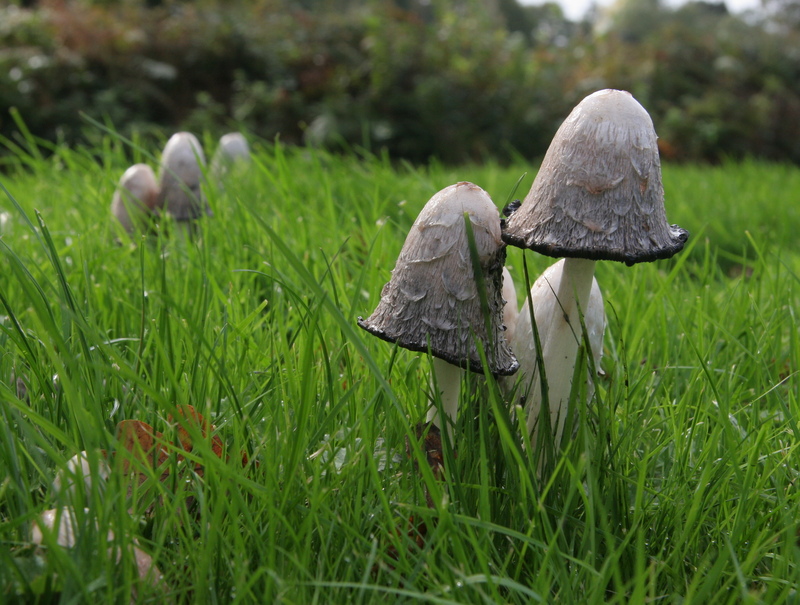
Also known as the lawyers wig, with a tall, white scaly-looking cap, this mushroom soon turns black as it liquifies by digesting itself, dripping inky goo. That’s one way to spread your spores. Usually found in grassy places, often in groups.
Grey Puffball
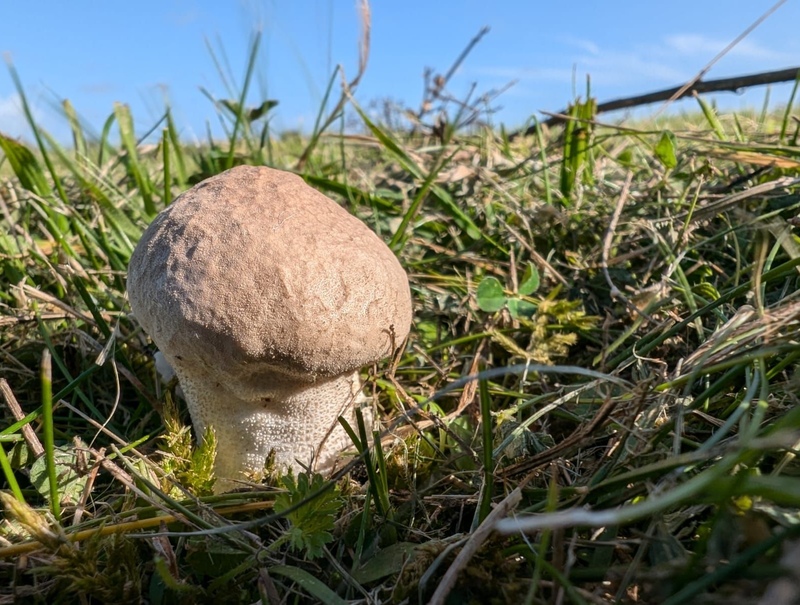
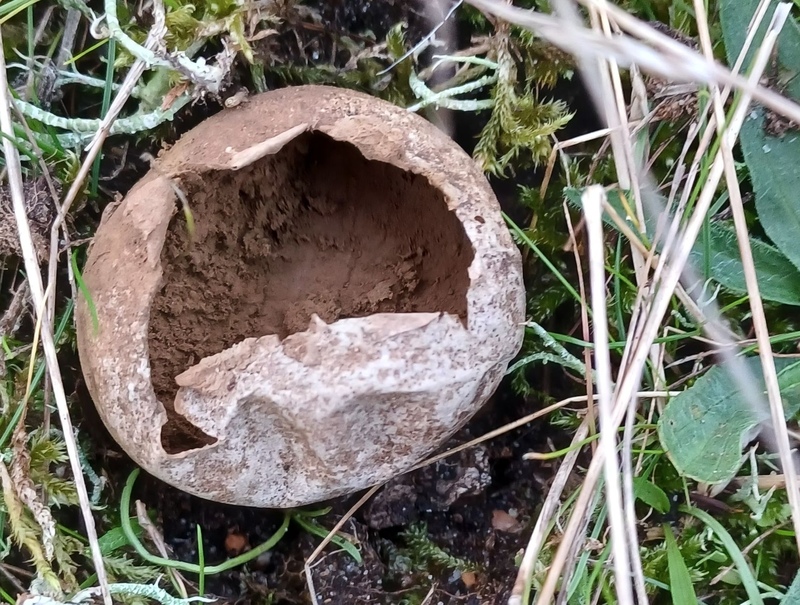
A small spherical fungus attached to the ground by a few threads. It can break free when mature and roll in the wind. The white outer skin peels off revealing a greyish inner skin which bursts, puffing out brown spores. Check out sheep-grazed places where it sometimes fruits in small groups.
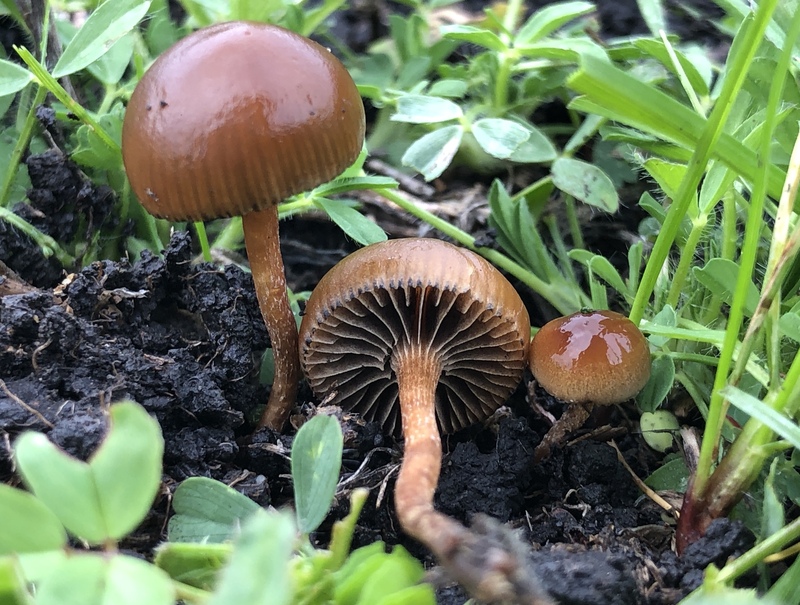
Meadow Muffin Mushroom
Also known as the ‘dung demon’, this cute little mushroom with a shiny brown cap, grows on the dung of grazing herbivores. I found it on rabbit and sheep poo. Look for it on fresh dung.
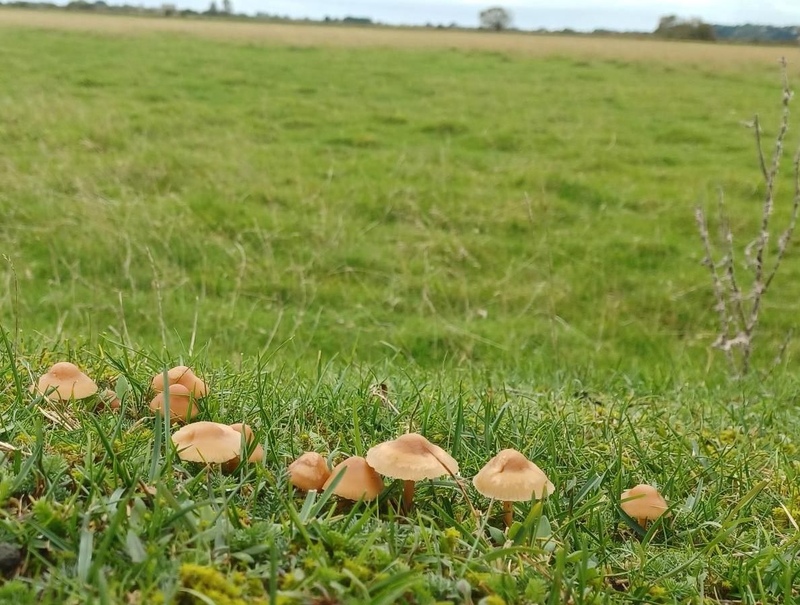
Fairy Ring Champignon
The cap of this common, fawn-coloured mushroom has a distinctive central hump (or umbo). Its superpower is that it can dry out, but rehydrate again in wet weather, continuing to spread its spores. Often seen growing in grassland in ‘fairy rings’, perhaps as dinner tables for the fairies?
A note on foraging
Some fungi are edible, some are toxic and some can be fatal. They can be difficult to identify and even experts are cautious. We ask that you do not forage for fungi on our nature reserves.
The British Mycological Society has produced a useful code of conduct here.
This post is also available on Sussex Wildlife Trust website

