
By Ian Hepburn
Head of Conservation
You can’t go far in any media currently without tripping over commentaries on the European Union. A vast spectrum of views are expounded. From unmitigated, dogmatic vitriol to thoughtful, measured, well-informed reportage … and everything in between. And all this will only increase as the political stage warms up towards a UK referendum sometime in 2016.
Centre stage is currently dominated by the €urozone drama and challenges to the fundamental Treaty principles: the free of movement goods, services and people. But away from the limelight, the European Commission is gathering evidence and public opinion this year to determine whether the ‘nature directives’ – the 1979 Birds Directive and its younger sister, the Habitats Directive (adopted in 1992) – are “fit for purpose”.
Laws to safeguard nature are vitally important. The European nature directives are no exception. There’s a wealth of evidence that wildlife in the UK and the rest of the EU would be worse off without the nature directives. TWT’s report 'It’s Our Nature’ gives a glimpse of some of the tangible benefits. A more forensic assessment published in Science demonstrates that the most threatened European birds have fared better over the last 30 years as a result of the Birds Directive. The analysis shows breeding population trends of the species which are specially protected in the EU (listed in Annex 1 to the Directive, and including red kite, avocet, nightjar and kingfisher) are more positive than non-Annex 1 species within the EU, and also more positive than the same Annex 1 species outside the EU.
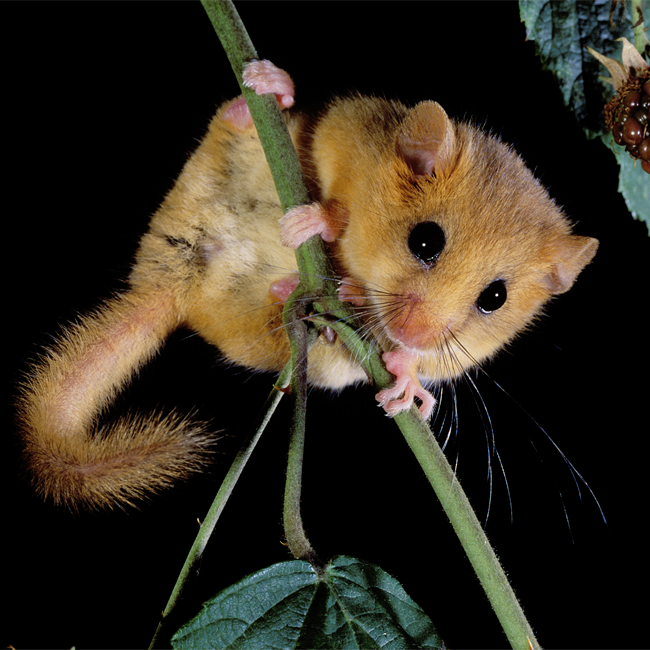
In Sussex, we’d find it more difficult to safeguard sites supporting European Protected Species (listed in the Habitats Directive, and including bats and dormice) and habitats of European significance like chalk streams, heathlands, coastal dunes, shingle beaches and seagrass beds if the Nature Directives were to be watered down or, even worse, if they no longer applied to the UK. Some of our most valued places for nature, such as Rye Harbour, Ebernoe Common and Malling Down nature reserves, might lose the special legal protection they deserve and need.
Conservation organisations throughout Europe are working hard to secure these hard-won laws that protect nature. But we urgently need public support – your support – if we’re going to win this battle. There’s political pressure to eliminate or to reduce the power of European environmental legislation. There’s an opportunity to safeguard the nature directives by contributing to the European on-line public consultation which is under way now and closes on July 24th.
Follow this link to The Wildlife Trusts’ webpage which will guide you through the simple process to respond. Conservation organisations have provided guidance to help answer the consultation questions. This is an important action: every individual response counts. So please help us to protect wildlife by defending the European laws that help us.
This post is also available on Sussex Wildlife Trust website

