

By Emma Pestridge & Rebecca Levey
Guest bloggers from Butterfly Conservation
Did you know that only 2% of our butterflies and moths spend the winter in their adult life stage? More than half of British species spend the winter as caterpillars instead. Nearly a third remain in a chrysalis, often buried underground if they are a moth. Meaning the remaining sixth will either overwinter as eggs or adults.
The Marshmallow Moth, an endangered species found in just Kent and East Sussex, overwinters as an egg, safely tucked inside long grass stems surrounding the Marshmallow plants their caterpillars will begin feeding on in April. Their caterpillars choose to nibble on the roots of several Marshmallow plants. The roots are high in nitrogen, meaning they can intake enough for their metamorphosis much quicker than other caterpillar species that have a strictly leaf based diet.
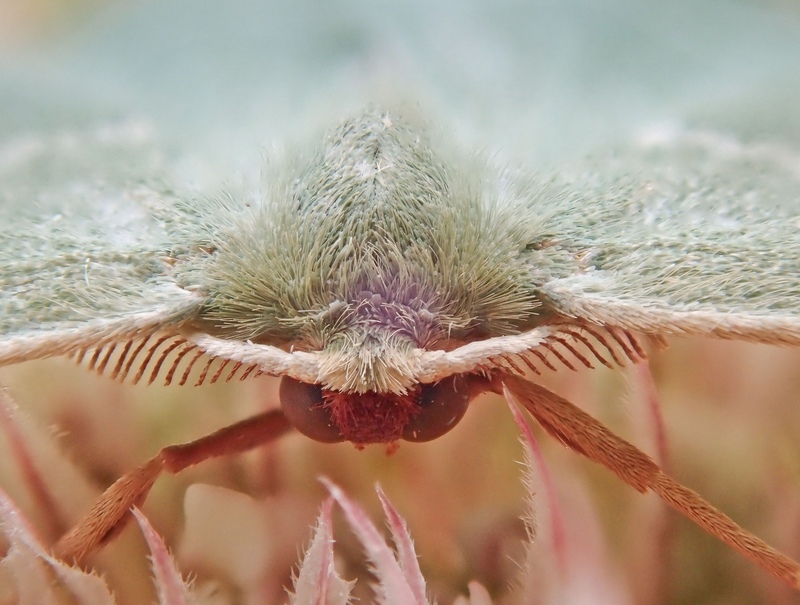
Another rare moth that has recently colonised Rye Harbour is the Sussex Emerald. Their eggs hatch sooner after they are laid, in late summer so that they can start feeding up in the autumn as small caterpillars on Wild Carrot. Over the winter they remain highly camouflaged around the lower leaves of their foodplant to protect themselves from being spotted by birds, and only start to feed again when daylight hours lengthen in the spring.
Many common garden species will also overwinter as a caterpillar. It is important to provide them with some shelter, like leaving a few longer grass tufts in a less disturbed corner, so they can safely make it through the winter. Hairy caterpillar species like the Fox Moth, can be active on warmer days but generally feed less over winter, mostly wanting to be tucked away within areas of leaf litter cover. If you need to clear up your leaves, pile them up somewhere else maybe in quieter areas of your garden, to ensure these winter caterpillars can complete their life cycle.
There are several moths that love the cold and have been emerging over December. Amongst them are the aptly named Winter Moth and December Moth. These moths have evolved brilliant techniques to deal with our cold winter weather.
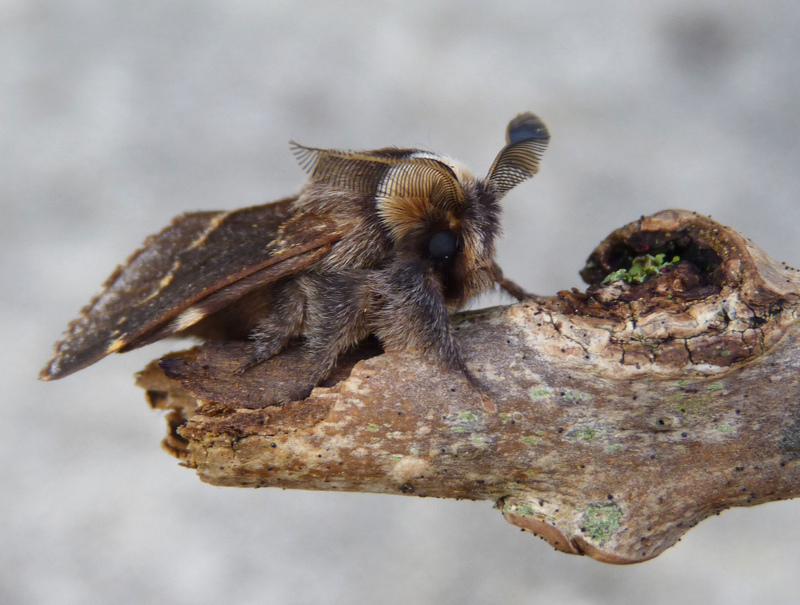
The December Moth is a large fluffy-looking moth, fully kitted up for wintery weather with its thick body and a coat of long hair-like scales which help keep it warm when temperatures drop.
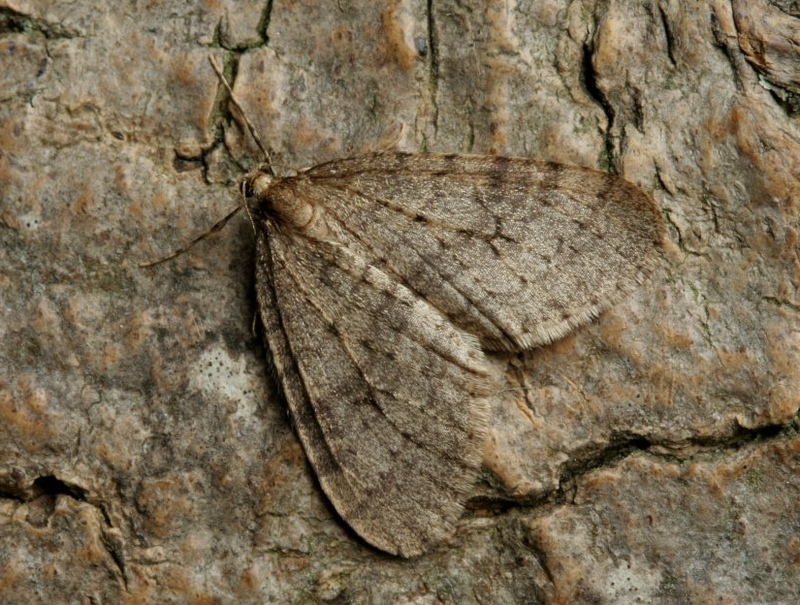
The Winter Moth takes a different approach to the December Moth - no fluffy coats, no thick body, and overall, males are rather delicate, and females are virtually wingless! The Winter Moth males still brave the elements to fly between October and February to find females though as the timing of their life cycle means they greatly benefit from reduced competition.
Unlike other moths which need to warm their bodies to over 30 degrees Celsius to fly, the Winter Moth seems to be able to use its unusually low body weight compared to the size of its wings to its advantage and can fly even when its body temperature is close to the temperature outside. Research suggests that because their large wings don’t need to beat as fast as some other moths to keep their relatively light body in the air, their muscles don’t need to be warmed up to work efficiently. They can even fly when it’s close to freezing.
So whilst you may not see many active caterpillars or moths on your winter walks, know that they are hiding all around, just keeping warm enough, ready to emerge when spring begins.
This post is also available on Sussex Wildlife Trust website

