
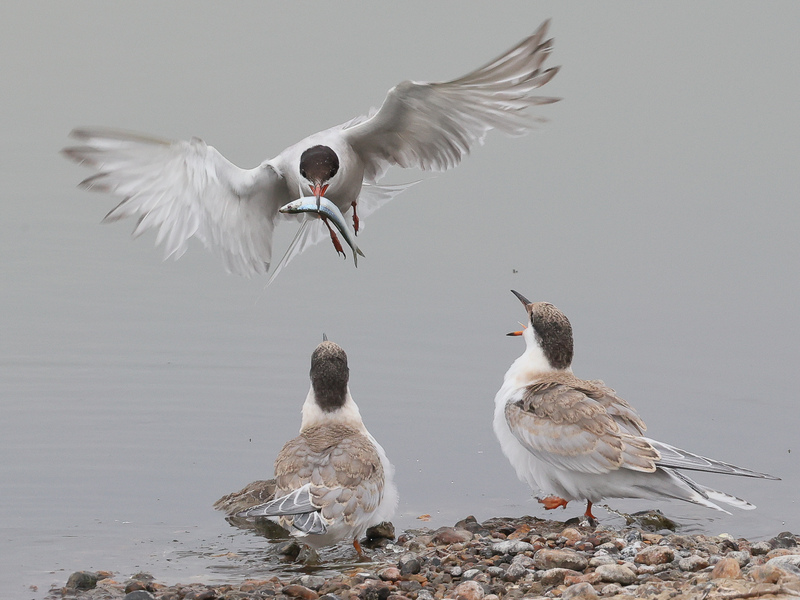
At the end of July we'll be celebrating National Marine Week at Rye Harbour Nature Reserve, the theme of which this year is Incredible Journeys.
This seems suitably fitting as Rye Harbour Nature Reserve is undoubtedly spoilt with choice when it comes to long distance migratory species. Whilst not garnering quite the same level of admiration for journey length as the renowned Arctic Tern, there's little doubt the reserve's Common Terns still undergo quite staggering journeys year to year. Individuals will typically look to spend the cooler months along the coasts of West Africa.
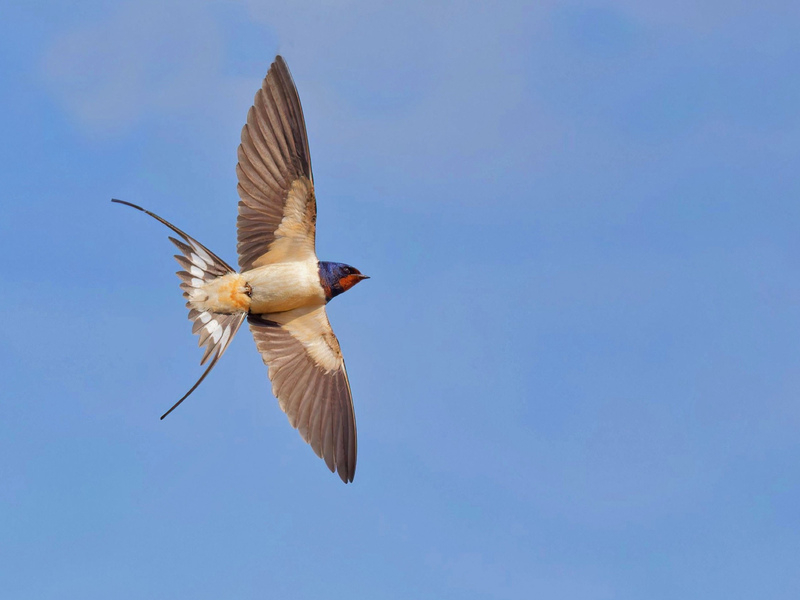
Large numbers of Swallows congregate through Autumn and undertake vast journeys across land and sea to the savannahs and forests of southern Africa. A wide variety of wader species are likely to be observed throughout July, having left the insect-laden wilds of arctic latitudes, already pushing south toward wintering areas - though many will decide our British coasts are perfectly acceptable for a winter stay.
Keep your eyes peeled for an elegant relative of the Curlew, the Whimbrel, smaller species such as Dunlin and Turnstone, whilst both Godwit species may be spotted probing the muddy shores.
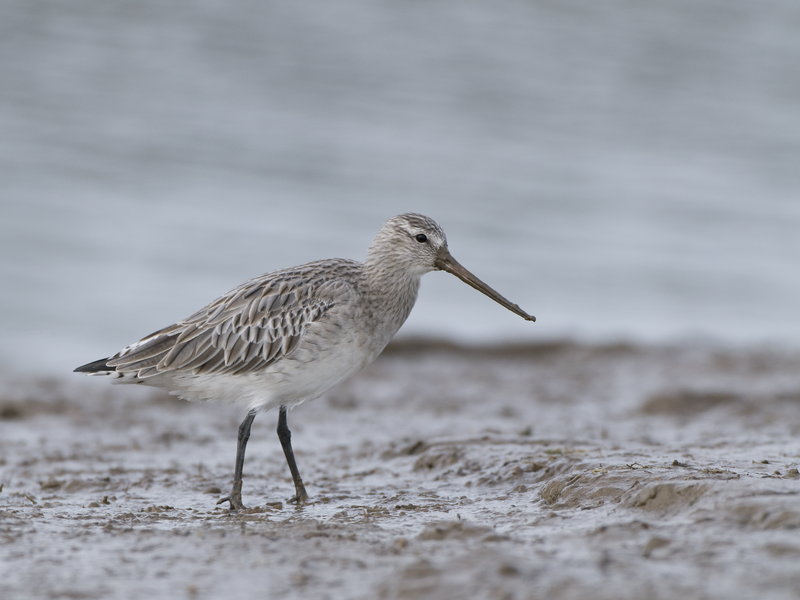
It's worth noting that the current world record for longest non-stop flight belongs to a migratory Bar-tailed Godwit, at nearly 8500 miles!
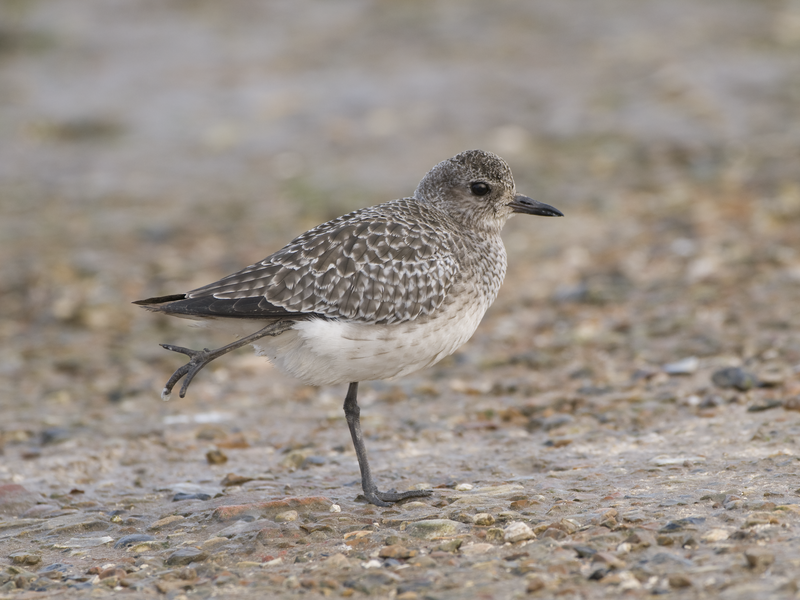
The first migrant Grey Plovers are often spotted around this time, another highly impressive migrant capable of non-stop journeys of more than 4000 miles. And these species are only a few of many. Of course, many incredible journeys are comprehensively out of sight & mind - it's eminently possible that passing along the Rother are a myriad of European Eel, who will, somewhat astonishingly, cross the entire Atlantic, spawn, die, and then as elvers, swim all the way back! Sadly they are not anywhere near as abundant as they once were, struggling in the face of significant marine environmental pressures.
As you can see, there are many incredible journeys made by the wildlife at Rye Harbour Nature Reserve.
This post is also available on Sussex Wildlife Trust website

